How to Invest in Whisky in Singapore: A Practical Guide for Beginners
Whisky investing sits somewhere between collecting and long-term asset building. For some people, it starts with curiosity about rare bottles; for others, it’s a way to diversify beyond traditional investments. In Singapore, interest in whisky has grown steadily, supported by a strong luxury market and easy access to premium releases from around the world.
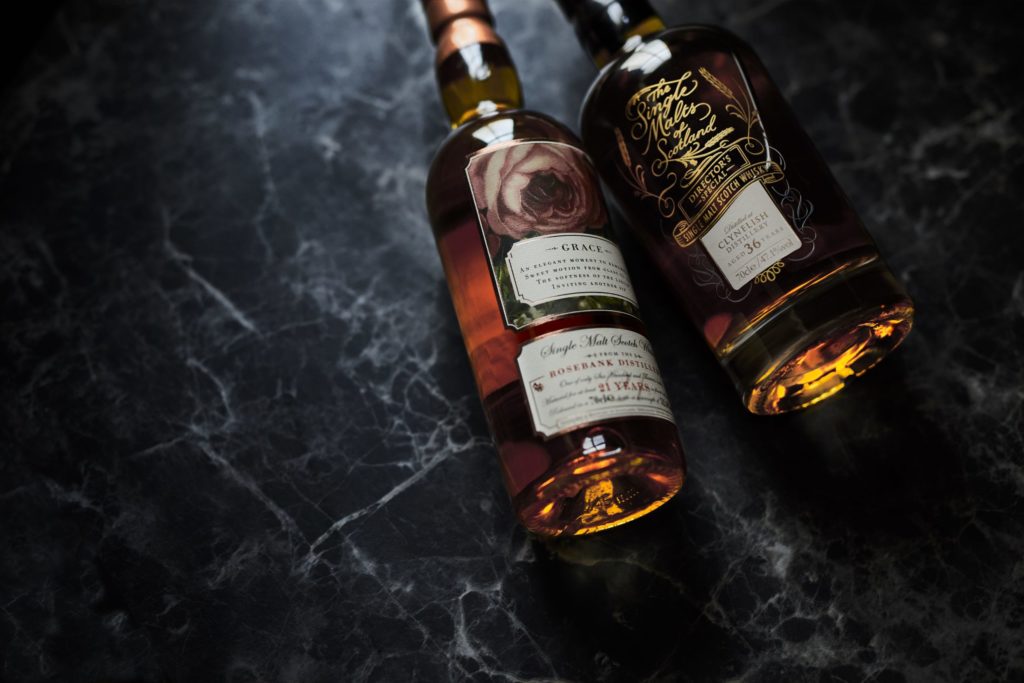
Unlike financial instruments that exist only on paper, whisky is tangible. Bottles can be stored, admired, and even enjoyed — though many investors choose not to open them. Before getting started, it’s important to understand how this market works in practice, not just in theory.
Why whisky investing has gained traction in Singapore
Singapore’s role as a regional hub for fine dining, luxury goods, and collectibles has naturally extended to premium spirits. The city hosts regular tastings, auctions, and private sales that expose collectors to limited releases and closed-distillery bottlings.
Several factors drive interest. Many sought-after whiskies are produced in small quantities and never repeated. When distilleries close or discontinue specific expressions, supply becomes fixed while demand often grows. Singapore’s lack of capital gains tax on physical collectibles also makes long-term holding more attractive compared to some other markets.
For many local collectors, whisky is not just an investment — it’s part of a broader lifestyle interest that blends education, social events, and appreciation of craftsmanship.
Different ways people invest in whisky
The most common entry point is buying individual bottles. These are typically limited editions, age-stated releases, or whiskies from well-established distilleries with strong collector followings. Bottles can be purchased from specialist retailers, auctions, or private sellers.
Some investors explore cask ownership, where an entire barrel is purchased and aged further. This route requires more capital, longer holding periods, and professional storage, but it can offer flexibility in bottling and exit timing. It also comes with additional legal and logistical considerations.
There are also whisky investment platforms and funds that pool money from multiple participants. These structures remove some operational burden but limit personal control over bottle selection and timing.
Each approach suits different budgets, risk tolerance, and levels of involvement.
What to think about before committing money
Whisky investing rewards preparation. Authenticity is critical — counterfeit bottles exist, especially in secondary markets. Buying from trusted sources and verifying packaging, seals, and documentation helps reduce risk.
Storage is another major factor. Whisky should be kept upright, away from direct light, and in stable temperatures to protect the cork and liquid level. Poor storage can permanently reduce a bottle’s value.
Liquidity is often overlooked. Selling whisky usually takes time, whether through auctions or private channels, and fees can affect final returns. This makes whisky better suited to longer-term horizons rather than short-term speculation.
Finally, knowledge matters. Understanding distillery reputations, production history, and collector demand takes time. Many successful investors build experience gradually rather than making large purchases early on.
A practical way to get started
Beginners often benefit from a step-by-step approach. Learning comes first — attending tastings, reading specialist publications, and following auction results helps build context. Setting a clear budget prevents emotional purchases driven by hype.
Once ready to buy, focus on reputable sellers and well-documented bottles. After purchase, arrange appropriate storage and keep records of pricing, dates, and condition. Tracking your collection helps maintain perspective and avoid impulsive decisions.
Over time, patterns emerge — which distilleries hold steady demand, which releases fluctuate, and how market sentiment shifts.
Common mistakes new investors make
Many newcomers chase popular releases without understanding why they’re valued, often overpaying during peak interest. Others underestimate ongoing costs such as insurance, storage, and transaction fees.
Poor storage is another frequent issue, as is buying from unverified sellers. Some investors also commit too much capital too quickly, reducing diversification and flexibility.
Perhaps the most important mistake is treating whisky purely as a financial product. Those with genuine interest in the category tend to make more informed, patient decisions.
A balanced perspective on whisky investing
Whisky investing in Singapore can be rewarding, but it’s not guaranteed or effortless. It requires research, discipline, and a long-term mindset. For those willing to learn the market and respect its nuances, whisky can offer both personal enjoyment and the potential for appreciation over time.
This article is for informational purposes only and does not constitute financial or investment advice.