Silver Investment: How the Metal Fits Into Long-Term Financial Thinking
Silver has a habit of sitting in two worlds at once.
On one side, it’s a hard-working industrial material — hidden inside electronics, energy systems, and medical tools. On the other, it’s one of the oldest stores of value humans have trusted during uncertainty.
That split personality is exactly why people keep coming back to it when thinking about long-term planning.
Not as a shortcut.
Not as a guarantee.
But as a tool.
What People Really Mean When They Talk About “Investing in Silver”
At its core, silver investment means allocating part of your capital to silver with the expectation that it will hold value, grow over time, or offset risks elsewhere.
Unlike stocks or digital assets, silver is tangible. It exists whether markets are calm or chaotic. That physical nature is why it’s often discussed in the same breath as resilience, inflation protection, and diversification.
Historically, silver has moved through monetary systems, industrial revolutions, and financial crises — sometimes quietly, sometimes with sharp price swings. It’s not static. But it’s not imaginary either.
Why Silver Keeps Showing Up in Long-Term Conversations
Silver attracts attention for a few reasons that rarely appear together in one asset.
First, it’s deeply embedded in the real economy. A large share of global silver demand comes from industrial use — electronics, renewable energy, healthcare. When production expands, silver doesn’t sit idle.
Second, it’s psychologically accessible. Compared to gold, silver feels attainable. That matters for people who want exposure to precious metals without committing large sums upfront.
Third, silver often behaves differently than paper assets during periods of inflation, currency pressure, or geopolitical stress. According to population-level market data, precious metals tend to see increased interest when confidence in fiat systems weakens — though timing and magnitude vary.
Common Ways People Add Silver to a Portfolio
There’s no single “correct” way to own silver. Each approach reflects a different mindset.
Physical silver
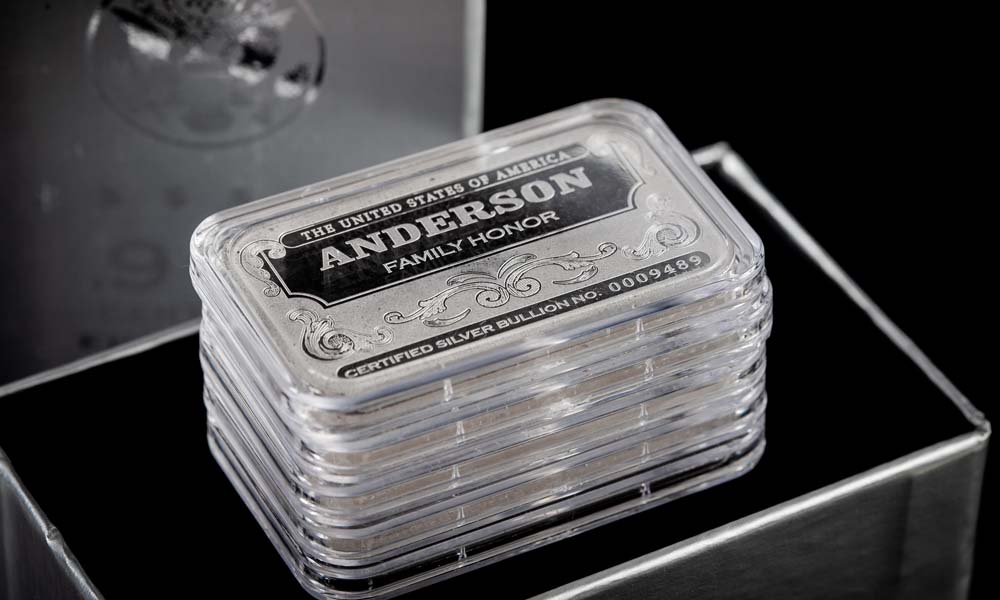
Bars, coins, or rounds appeal to people who value direct ownership. The trade-off is storage, insurance, and resale logistics.
Price-tracking instruments
Funds and similar vehicles offer exposure without physical handling. They’re easier to buy and sell but remove the tangible element some investors care about.
Mining companies
This is an indirect route. Performance depends not only on silver prices, but also on management decisions, costs, and geopolitical factors where mines operate.
Each path carries a different balance of control, convenience, and risk.
What Actually Moves Silver Prices
Silver doesn’t move on hype alone.
Industrial demand plays a major role. Growth in electronics, clean energy, and medical technology can quietly support long-term demand.
Monetary policy matters too. When interest rates are low, holding non-yielding assets like silver becomes relatively less costly. Inflation expectations can amplify that effect.
Then there’s sentiment. Fear, speculation, currency strength, global events — silver often reacts faster and more sharply than gold. Studies have shown that silver tends to exhibit higher volatility, which can work for or against investors depending on timing and expectations.
The Risks People Often Underestimate
Silver is not a “safe” asset in the short term.
Price swings can be dramatic. Liquidity for physical silver depends on dealer spreads and market conditions. Storage and insurance costs quietly eat into returns over time.
Paper-based exposure introduces its own layers: fees, tracking accuracy, and structural risks tied to the financial system itself.
Silver rewards patience more than prediction.
Costs: What You’re Really Paying For
| Form | What Drives Cost |
|---|---|
| Physical silver | Premium over spot price, storage, insurance |
| Silver-linked funds | Management fees, brokerage costs |
| Mining stocks | Market volatility, company performance |
Prices fluctuate, and estimates shift with market conditions. Comparing total cost — not just entry price — is where clarity usually appears.
Where Silver Fits (And Where It Doesn’t)
Silver isn’t a growth engine.
It’s not income-producing.
And it won’t replace thoughtful portfolio construction.
What it can do is add texture — a counterweight to assets that depend entirely on confidence, policy, or earnings forecasts.
Research suggests that modest exposure to real assets can reduce portfolio sensitivity to certain economic shocks. The key word is modest.
Silver tends to reward people who understand why they hold it — not those chasing short-term moves.
The more interesting question isn’t whether silver will go up or down next year.
It’s whether having it makes your long-term plan feel more resilient…
or just more complicated.