
Understanding Real Estate in Singapore: What Shapes the Market and Ownership Choices
Singapore’s property market often looks straightforward from the outside—clean streets, modern buildings, and constant demand. But beneath that surface is a system shaped by policy, planning, and long-term social goals. For anyone thinking about buying a home or investing in property here, understanding how this market actually works is more important than watching price charts alone.
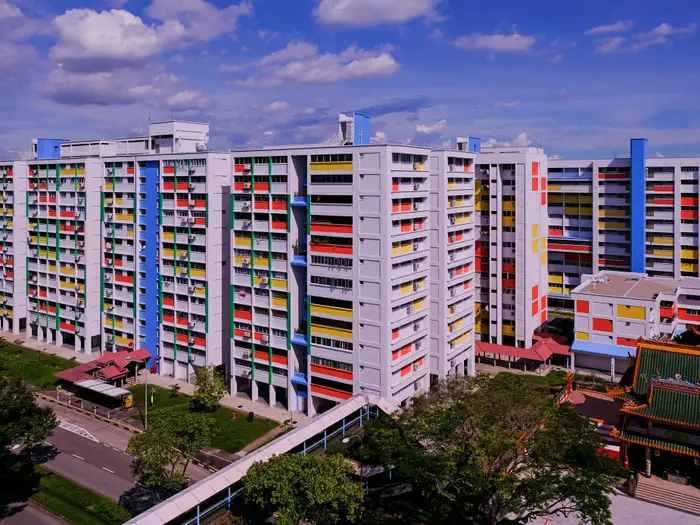
Housing in Singapore is not left entirely to market forces. The government plays an active role, balancing affordability for residents with stability for investors. This approach creates a real estate environment that behaves differently from many other global cities.
How Singapore’s property market is structured
At its core, Singapore has a dual housing system. Public housing, developed and managed by the Housing Development Board (HDB), is where most residents live. Roughly four out of five people in Singapore reside in HDB flats. These homes are designed to keep ownership accessible for citizens while maintaining long-term stability.
Private housing makes up the rest of the market. This includes condominiums, executive condominiums, and landed homes. Prices in this segment are more sensitive to market cycles, location, and global economic conditions. Still, even private housing is influenced by policy tools meant to reduce speculation and excessive borrowing.
Cooling measures such as stamp duties and loan limits are adjusted over time to prevent sharp booms or sudden crashes. As a result, price movements in Singapore tend to be controlled rather than extreme.
Factors that influence property decisions
One of the most important factors in Singapore real estate is legal status. Citizenship and residency directly affect what you can buy and how much tax you pay. Citizens have the widest access and the most favorable conditions. Permanent residents face additional limits, especially for public housing, while foreign buyers are generally restricted to private condominiums and must account for higher stamp duties.
Location also plays a major role. Properties near MRT stations consistently attract stronger demand, both from homeowners and renters. Even a short walking distance to reliable public transport can influence pricing and resale potential. School zones matter as well, especially for families prioritizing access to popular primary schools.
Long-term planning projects add another layer. Large-scale developments such as new business districts or waterfront zones can reshape demand over many years. Buyers who look beyond immediate price trends often pay close attention to these national planning initiatives.
How property values are assessed
Property pricing in Singapore is supported by a high level of transparency. Resale buyers usually rely on professional valuations, especially when financing is involved. Banks require independent assessments to confirm that loan amounts match market value, limiting excessive leverage.
Transaction data is publicly available through official government platforms, allowing buyers to compare recent sales within the same development or neighborhood. This access reduces guesswork and makes it harder for prices to drift far from reality.
For new developments, pricing reflects land costs, construction expenses, and market positioning. Developers test demand carefully, and authorities monitor pricing trends to ensure new launches remain aligned with broader housing objectives.
Understanding different property types
Not all properties in Singapore serve the same purpose. Each category is designed for a specific group of buyers and comes with its own rules.
| Property Type | Who Can Buy | Typical Price Range (SGD) | What Sets It Apart |
|---|---|---|---|
| HDB flats | Citizens, selected PRs | 300,000 – 1,200,000 | Subsidized, resale rules |
| Executive condominiums | Citizens; PRs later | 800,000 – 1,800,000 | Condo living with restrictions |
| Private condominiums | Citizens, PRs, foreigners | 1,000,000 – 10,000,000+ | Fewer limits, full facilities |
| Landed homes | Citizens; limited PR approval | 2,000,000 – 50,000,000+ | Space, privacy, premium segment |
Prices are indicative and vary by location and market conditions.
HDB flats focus on affordability and long-term homeownership rather than short-term investment. Executive condominiums sit between public and private housing, offering shared facilities with gradual transition into the private market. Private condominiums provide flexibility and appeal to international buyers, while landed homes remain the most exclusive segment, defined by space rather than amenities.
What makes Singapore’s market different
Singapore’s real estate market is less about rapid speculation and more about managed growth. Policies are designed to keep housing accessible for residents while still allowing wealth creation through property ownership. This balance creates complexity, but it also provides predictability.
For buyers and investors, success often comes from understanding rules, timelines, and long-term planning rather than trying to time short-term price movements. Whether you’re considering a place to live or an asset to hold, clarity around ownership conditions and market structure is essential in Singapore’s carefully regulated property environment.