What People Often Don’t Realize Affects Their Credit Score
Most people think of a credit score as something that changes only after big financial moments — taking out a loan, missing a payment, or paying off a large balance. In reality, credit scores are shaped quietly and continuously. Small, routine decisions often play a bigger role than people expect, which is why score changes can feel confusing or unfair.
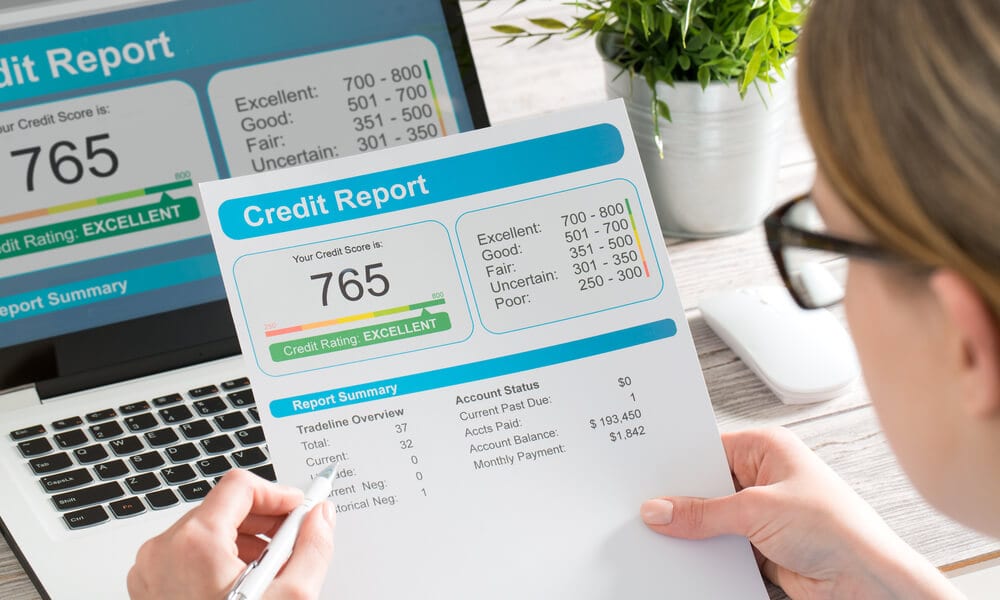
Understanding these less obvious influences can make credit feel more predictable and easier to manage over time.
The Everyday Habits That Add Up Over Time
Credit scores are influenced by patterns, not single actions in isolation. Everyday behavior — the kind that rarely feels “financially important” — can gradually affect how your credit profile looks to lenders.
Some recurring bills, such as phone plans or utilities, may be reported to credit bureaus under certain circumstances. When they are, consistent on-time payments help reinforce a positive payment history. On the other hand, late payments on small amounts can still leave a mark if they are reported.
Even basic habits like keeping an eye on account balances matter indirectly. Avoiding overdrafts and account closures helps maintain overall financial stability, which reduces the chances of negative activity appearing on your credit report later.
Credit Decisions That Seem Harmless — But Aren’t Always
Some credit-related choices look responsible on the surface but can have unintended effects. Becoming an authorized user on someone else’s credit card is a common example. If the account is well managed, it can support your score. If it isn’t, you may feel the impact without having any control over how the card is used.
Closing older credit accounts is another frequent misstep. While it can feel like cleaning up your finances, shutting down a long-standing account can shorten your credit history and increase your overall credit utilization ratio. Both factors can work against your score, even if you don’t carry debt.
Applying for multiple credit products in a short period can also raise red flags. Each hard inquiry may only have a small effect, but several at once can signal higher risk to lenders.
Why Credit Scores Sometimes Drop Suddenly
One of the most frustrating experiences is seeing a credit score drop overnight. Often, the cause is simple. A single payment that becomes 30 days late can have a noticeable impact because payment history carries significant weight in scoring models.
Another common reason is a spike in credit utilization. Using a large portion of your available credit — even temporarily — can lower your score until balances are reduced again. From a lender’s perspective, high utilization suggests financial strain, even if the balance is paid off soon after.
Fraud and identity theft are also major contributors to sudden score changes. New accounts or charges you don’t recognize can damage your credit quickly, which is why regular monitoring matters.
Patterns Lenders Look For — Beyond the Basics
Lenders don’t just look at whether you pay on time. They look at how consistently you manage credit overall. A mix of credit types — such as credit cards and installment loans — can indicate experience handling different obligations.
The age of your accounts also plays a role. Longer credit histories with steady behavior tend to inspire more confidence. Equally important is consistency. Lenders generally prefer steady, moderate credit use over sudden swings between heavy usage and inactivity.
These patterns help lenders estimate how you might handle future obligations, not just past ones.
Practical Ways to Protect and Strengthen Your Credit
Improving credit is rarely about shortcuts. It’s about reducing surprises. Paying all obligations on time remains the most effective habit. Keeping balances well below limits helps control utilization, even if you pay cards off monthly.
Reviewing your credit reports regularly allows you to catch errors or suspicious activity early. Limiting new credit applications to when they’re truly needed helps keep inquiry activity manageable. Keeping older accounts open, when possible, supports a longer and more stable credit history.
Over time, these small, consistent actions tend to matter more than dramatic financial moves.
A More Realistic Way to Think About Credit Scores
Credit scores aren’t judgments — they’re reflections of behavior patterns. When those patterns are understood, changes become easier to explain and manage. By paying attention to everyday habits, avoiding hidden traps, and recognizing how lenders interpret credit activity, people can build stronger credit profiles without constantly worrying about sudden drops.
Credit improves quietly, just like it declines — one routine decision at a time.
This article is for informational purposes only and does not constitute financial or credit advice.