
Skin Tint vs Foundation: When Lightweight Makeup Actually Makes Sense
There’s a moment many people reach with makeup.
Not when trends change —
but when daily routines do.
Heavy foundation starts to feel unnecessary.
Full coverage feels excessive for everyday wear.
And the question quietly appears:
Do I really need all of this?
This is where skin tints enter the conversation — not as a “better” product, but as a different choice altogether.
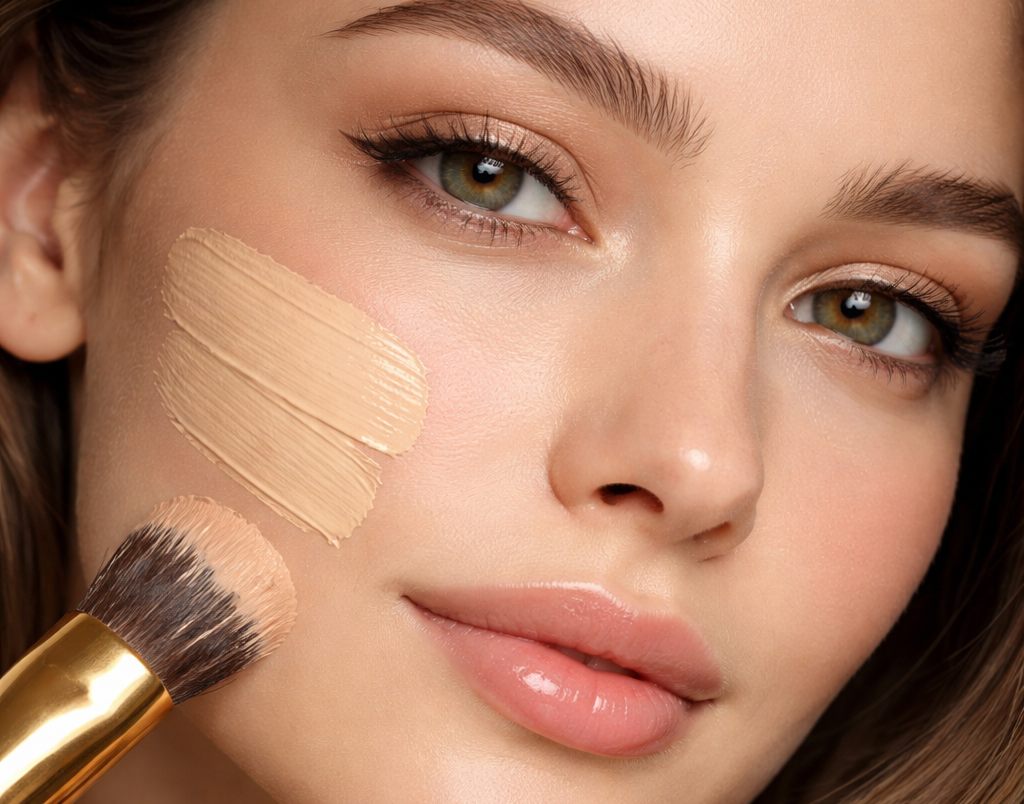
What a skin tint actually is (and what it isn’t)
Skin tints are often described as “light foundations,” but that’s misleading.
They’re closer to:
- sheer complexion enhancers
- lightweight formulas designed to even tone, not cover everything
- products meant to sit with your skin, not on top of it
A skin tint won’t hide every blemish.
And that’s the point.
It’s designed for people who want:
- a more natural finish
- minimal texture
- breathable wear throughout the day
For many, this becomes more relevant with time — not less.
When a skin tint makes more sense than foundation
Skin tints tend to work best in specific situations:
- Everyday wear (work, errands, casual social settings)
- Warm or humid climates, where heavy makeup breaks down faster
- Skin that already has relatively even tone, but benefits from light correction
- People prioritizing comfort over perfection
This doesn’t replace foundation — it reframes when you actually need it.
Ingredients matter more when coverage is lighter
When coverage is sheer, formula quality becomes more noticeable.
Skin tints often highlight:
- texture
- hydration levels
- how makeup interacts with skin over time
That’s why many modern formulas now include:
- botanical extracts
- vitamins
- hydrating agents like hyaluronic acid or niacinamide
Not to “treat” skin — but to reduce irritation and dryness during wear.
This shift reflects how makeup and skincare are slowly overlapping — without fully merging.
The quiet appeal of botanical-infused makeup
Botanical and vitamin-infused cosmetics aren’t about instant results.
They’re about:
- minimizing heaviness
- supporting comfort
- reducing the trade-off between makeup and skin feel
Brands that focus on this tend to design products for repeat, everyday use, not dramatic transformations.
That distinction matters more than it sounds.
Who skin tints are not for
Skin tints aren’t universal.
They may not be the right choice if:
- you need full, long-lasting coverage
- you’re covering active breakouts or discoloration
- you prefer matte, flawless finishes
- makeup is part of a professional or performance routine
In those cases, traditional foundation still makes more sense.
And that’s okay.
A more realistic way to think about makeup choices
Instead of asking:
“Which product is best?”
A more useful question is:
“What problem am I actually solving today?”
Some days call for coverage.
Others call for simplicity.
Skin tints exist for the second category — and for many people, that category grows over time.
Final thought
Makeup doesn’t need to do everything.
Sometimes, it just needs to:
- feel comfortable
- look natural
- fit into real life
Skin tints aren’t a trend replacing foundation.
They’re a quieter option for moments when less truly is enough.
Disclosure
This article may contain affiliate links. If you choose to explore products through these links, the site may earn a commission at no additional cost to you. Editorial content remains independent and informational.