
Doctors Warn About This Silent Condition You Might Feel in Your Feet
Cold feet are easy to blame on winter weather, poor socks, or sitting still for too long. But when the feeling is persistent — even in warm rooms — doctors say it may be your body signaling something deeper.
Experts increasingly warn that chronically cold feet can be an early sign of circulation problems linked to high cholesterol, a condition that often develops quietly for years. High cholesterol is frequently called a “silent condition” because it rarely causes noticeable symptoms until damage is already underway.
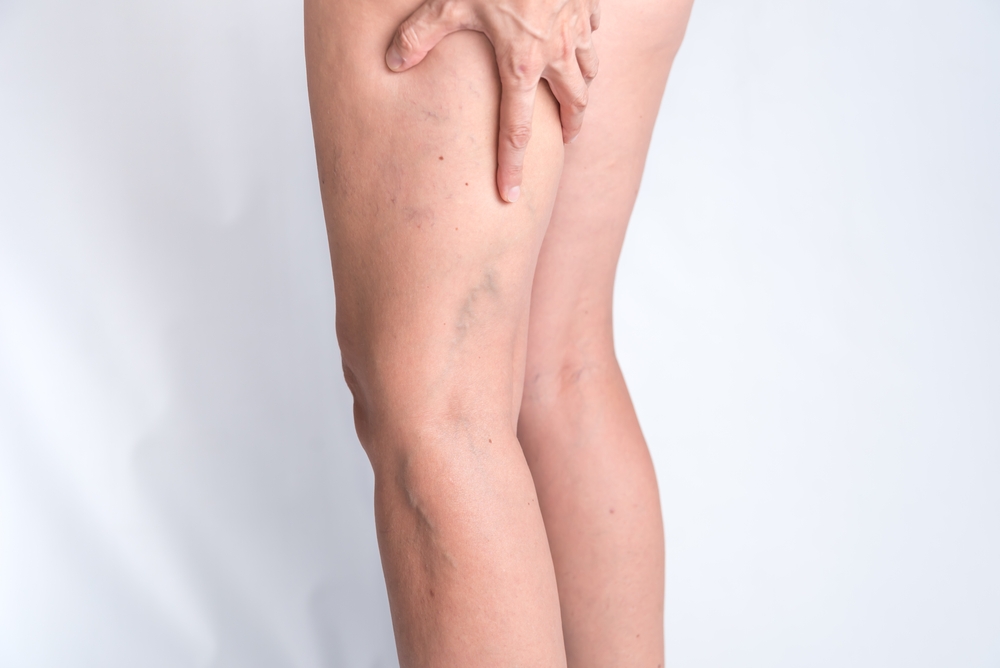
Why Cold Feet Can Be a Warning Sign
High cholesterol itself doesn’t cause the cold sensation directly. The issue begins when excess cholesterol contributes to plaque buildup inside arteries, a process known as atherosclerosis. Over time, this buildup narrows blood vessels and restricts blood flow.
When this happens in the arteries that supply the legs and feet, it can lead to peripheral artery disease (PAD) — a form of cardiovascular disease recognized in clinical guidelines.
With reduced blood flow, the feet may struggle to receive enough oxygen and warmth. The result? Feet that feel persistently cold, numb, or uncomfortable, even when the rest of the body feels fine.
Large population studies have shown that reduced circulation in the lower limbs is often one of the earliest physical clues of PAD, especially in people with elevated cholesterol levels.
What Is Peripheral Artery Disease (PAD)?
PAD occurs when plaque accumulates in the arteries of the legs, ankles, and feet. As arteries narrow, blood struggles to move efficiently through them.
This doesn’t just affect temperature. Over time, tissues may lack the oxygen and nutrients they need, increasing the risk of complications. Research published in cardiovascular journals has consistently linked PAD with a higher likelihood of heart attack and stroke, since the same plaque-forming process often affects multiple arteries throughout the body.
Other Symptoms People Often Overlook
Cold feet are rarely the only sign. PAD symptoms often develop gradually and may include:
- Slow-healing sores or ulcers on the feet or legs
- Hair loss on the legs or feet
- Numbness, weakness, or heaviness in the legs
- Changes in skin color (paler or bluish tones, which may appear differently on darker skin)
- Shiny skin or brittle, slow-growing toenails
- Muscle thinning in the legs over time
- Erectile dysfunction in men
Because these changes happen slowly, many people mistake them for aging or circulation “quirks” rather than a medical issue.
When Symptoms Shouldn’t Be Ignored
If leg or foot symptoms appear suddenly, worsen quickly, or are accompanied by severe pain, this may signal a more serious circulation problem requiring urgent medical attention.
Doctors can often assess PAD through a physical exam and a simple ankle-brachial pressure index (ABPI) test, which compares blood pressure in the ankle and arm. In some cases, the test is repeated after light exercise to see how activity affects circulation.
Managing PAD and High Cholesterol
While there’s no cure for PAD, early detection can slow progression and improve symptoms. Treatment typically focuses on reducing risk factors rather than quick fixes.
Common strategies include:
- Regular physical activity, especially walking
- Quitting smoking
- Maintaining a healthy body weight
- Eating a balanced diet low in ultra-processed foods
- Moderating alcohol intake
In some cases, doctors may prescribe medications such as cholesterol-lowering drugs or blood pressure treatments to reduce strain on the arteries.
Clinical studies suggest that structured exercise programs alone can significantly improve walking ability and circulation in people with PAD — sometimes as effectively as medication.
Why Early Testing Matters
A lipid profile blood test can identify high cholesterol long before symptoms become obvious. Catching elevated levels early allows people to make changes that protect circulation and reduce long-term cardiovascular risk.
Cold feet may seem harmless, but when they persist, they can be one of the few outward clues of a condition developing silently inside the arteries.
The Takeaway
Not every pair of cold feet points to a serious issue. But when the sensation is ongoing, unexplained, or paired with other changes in the legs or skin, it’s worth paying attention. High cholesterol and circulation problems often don’t announce themselves loudly — they whisper first. Listening early can make all the difference.