
High Blood Pressure Signs: What Your Body May (and May Not) Tell You
High blood pressure — also known as hypertension — is one of those conditions that quietly develops in the background. It affects the arteries throughout the body, forcing the heart to work harder to push blood forward. Over time, this extra strain can damage blood vessels and vital organs, even when you feel completely fine. Blood pressure is measured in millimeters of mercury (mm Hg) and expressed as two numbers: systolic (top) and diastolic (bottom). In general, hypertension is defined as a reading of 130/80 mm Hg or higher, according to guidelines from the American College of Cardiology and the American Heart Association.
Understanding Blood Pressure Categories
Clinicians typically group blood pressure readings into four categories:
- Normal: below 120/80 mm Hg
- Elevated: systolic 120–129 mm Hg and diastolic below 80 mm Hg
- Stage 1 hypertension: systolic 130–139 mm Hg or diastolic 80–89 mm Hg
- Stage 2 hypertension: systolic 140 mm Hg or higher, or diastolic 90 mm Hg or higher
A reading above 180/120 mm Hg is considered a hypertensive crisis and requires immediate medical attention.
What makes high blood pressure especially dangerous is not just the numbers, but how long they stay elevated. Research published in large population studies has shown that even mildly elevated blood pressure, when sustained over years, significantly increases the risk of heart attack and stroke.
The Silent Nature of High Blood Pressure
One of the most important things to understand is that most people with high blood pressure have no symptoms at all. You can live with hypertension for years — sometimes decades — without realizing anything is wrong.
In some cases, people may experience:
- Persistent headaches
- Shortness of breath
- Nosebleeds
However, these signs are not reliable early indicators. They usually appear only when blood pressure reaches dangerously high or life-threatening levels. This is why hypertension is often called a “silent” condition — it causes damage long before it causes discomfort.
When and How Often to Check Your Blood Pressure
Routine screening is one of the most effective tools for early detection. For most adults:
- Blood pressure should be checked at least every two years starting at age 18
- Adults 40 and older, or younger adults with risk factors, are usually advised to check it once a year or more often
Children age three and older may also have their blood pressure measured during routine checkups.
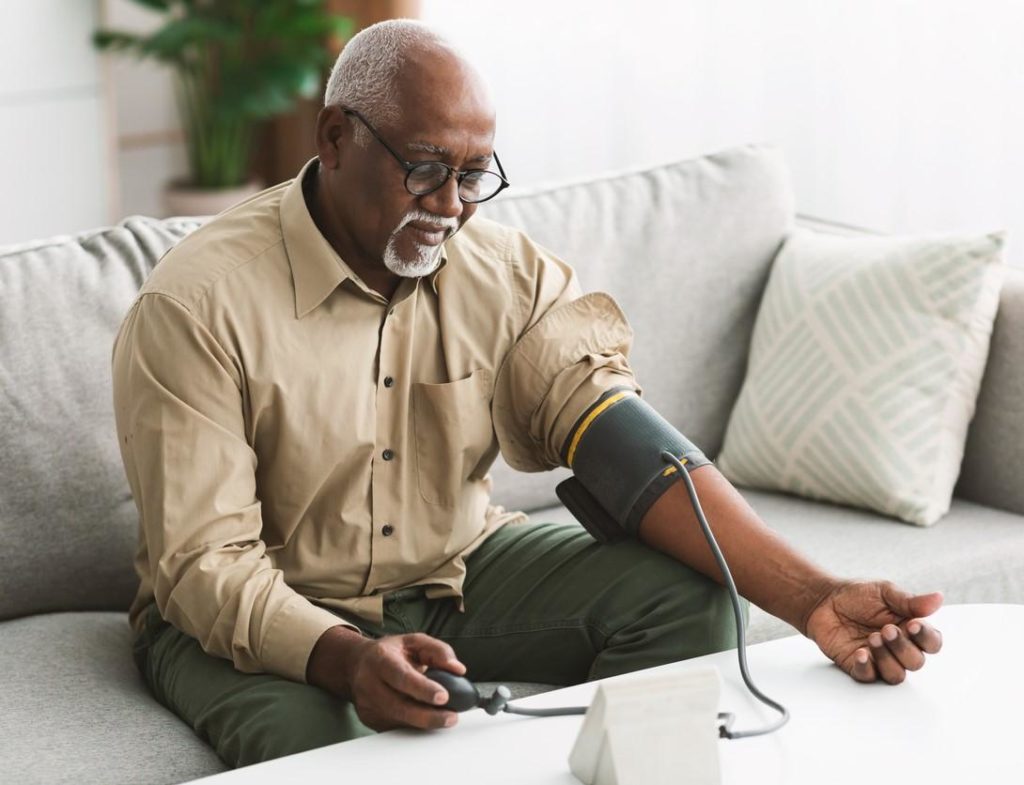
If you don’t see a healthcare provider regularly, community health fairs, pharmacies, and some stores offer free blood pressure checks. Keep in mind that home and public machines can vary in accuracy. Proper cuff size and technique matter, so it’s worth asking a healthcare professional to review your readings.
What Causes Blood Pressure to Rise?
Blood pressure depends on two main factors: how much blood the heart pumps and how narrow or flexible the arteries are. The harder blood has to push through stiff or narrowed vessels, the higher the pressure becomes.
Primary (Essential) Hypertension
For most adults, no single cause is identified. This form develops gradually over time and is strongly linked to aging, genetics, and lifestyle factors. Plaque buildup in the arteries (atherosclerosis) often plays a role.
Secondary Hypertension
This form is caused by an underlying condition and may appear suddenly. Possible triggers include:
- Kidney disease
- Obstructive sleep apnea
- Thyroid disorders
- Adrenal gland tumors
- Certain medications (including some cold remedies and birth control pills)
- Recreational drugs such as cocaine or amphetamines
Some people also experience “white coat hypertension,” where blood pressure rises temporarily during medical visits due to anxiety.
Who Is at Higher Risk?
High blood pressure can affect anyone, but certain factors increase the likelihood:
- Increasing age
- Family history of hypertension
- Excess body weight
- Physical inactivity
- Tobacco use or vaping
- High sodium intake and low potassium intake
- Heavy alcohol use
- Chronic stress
- Conditions such as diabetes, kidney disease, and sleep apnea
Large-scale studies suggest that lifestyle-related risk factors account for a significant share of hypertension cases, meaning many people can lower their risk with long-term habit changes.
Why Untreated Hypertension Is So Dangerous
When high blood pressure goes unchecked, it slowly damages blood vessels and organs throughout the body. The longer it remains uncontrolled, the higher the risk of serious complications, including:
- Heart attack and stroke
- Heart failure due to thickened heart muscle
- Kidney damage or failure
- Vision loss from damaged eye vessels
- Metabolic syndrome
- Cognitive decline and vascular dementia
Research has consistently shown that lowering blood pressure — even modestly — reduces the risk of these outcomes, especially when intervention starts early.
The Bottom Line
High blood pressure doesn’t usually announce itself with clear warning signs. That’s why regular screening, awareness of risk factors, and early lifestyle changes matter so much. Simple steps like staying active, eating a balanced diet, limiting sodium, managing stress, and avoiding tobacco can make a measurable difference. In some cases, medication is necessary — and highly effective — when guided by a healthcare professional.
The key is not waiting for symptoms. With hypertension, what you don’t feel can matter more than what you do.