
Dental Implants Without Drilling: Is a Fixed Smile Really Possible?
The idea sounds almost too good to be true: fixed teeth, no visible screws, no heavy drilling, no long recovery. For many people, that’s exactly what modern implant dentistry is trying to achieve — not by cutting corners, but by changing how implants are planned and placed.
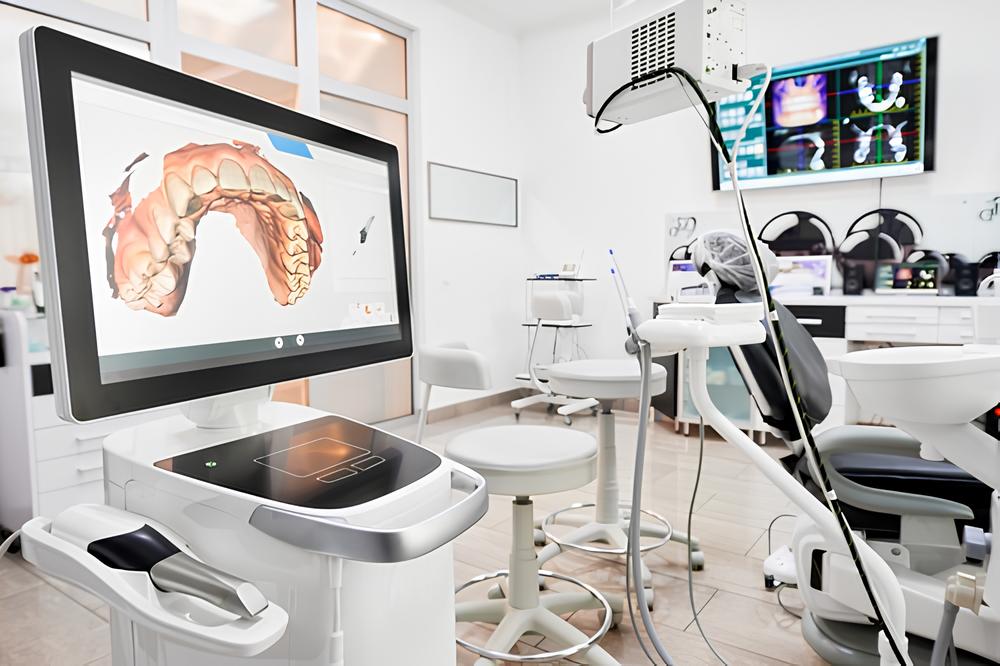
Thanks to advances in minimally invasive techniques, digital planning, and new fixation methods, fixed teeth without traditional drilling or exposed screws are no longer rare exceptions. They’re a real option — for the right patients.
But what does “without drilling” actually mean in practice?
What People Mean by “Fixed Teeth Without Screws”
When clinics talk about screwless or drill-free implants, they’re usually describing how the final tooth is attached and how the implant is placed, not a complete absence of implant hardware.
Most commonly, this refers to:
- Cement-retained implant crowns with no visible screw access hole
- Press-fit or snap-on connections that lock the crown into place
- One-piece or mini implants designed to reduce surgical steps
- Flapless, guided placement, where the gum isn’t cut open
So while an implant fixture may still sit in the bone, the experience — visually and physically — is very different from older surgical approaches.
How Implants Can Be Placed With Minimal or No Drilling
This is where technology changes everything.
Instead of opening the gum and manually preparing the bone, many clinics now use computer-guided implant placement. The process typically looks like this:
- A 3D scan maps bone, nerves, and soft tissue
- Implant position is planned digitally, down to fractions of a millimeter
- A custom surgical guide is created
- The implant is placed directly through the gum, without stitches
Because the position is pre-planned, there’s often no need for aggressive drilling, and trauma to surrounding tissue is kept to a minimum.
Research has shown that guided, flapless implant placement can significantly reduce post-operative pain and swelling compared to conventional open surgery. Studies also suggest similar — and in some cases improved — implant stability when bone conditions are favorable.
When Stitches Aren’t Necessary at All
Traditional implants almost always involved sutures. That’s no longer the default.
Stitches are often avoided when:
- Guided surgery is used
- Immediate-load implants are planned
- Bone and gum volume are sufficient
- One-piece or narrow implants are suitable
For patients, this usually means:
- Less swelling
- Less bleeding
- Faster return to daily life
- Fewer follow-up visits
It’s not just about comfort — it’s about predictability.
Are Screwless Implants Safe and Reliable?
Short answer: yes — when properly indicated.
Screwless and minimally invasive implant solutions aren’t experimental. They’ve been used for years in cosmetic and restorative dentistry, especially where aesthetics matter.
According to population-level data, implant success rates remain high when cases are carefully selected and digitally planned, regardless of whether the crown is screw-retained or cement-retained.
That said, these solutions are not universal. Bone quality, bite forces, oral hygiene, and long-term maintenance all matter. This is why a thorough evaluation is essential before choosing a “no-drill” or “screwless” approach.
Who Tends to Benefit Most From These Techniques?
These options are often well-suited for people who:
- Feel anxious about surgical dental procedures
- Want highly aesthetic results with no visible metal
- Have limited time for recovery
- Prefer conservative, tissue-preserving treatments
- Want to avoid bone grafting when possible
It’s less about trends — and more about matching the technique to the person.
A Fixed Smile, With Less Trauma
Fixed teeth without visible screws or traditional drilling aren’t a myth — but they’re also not a shortcut. They’re the result of better planning, better tools, and a more thoughtful approach to implant care.
For many patients, that means fewer unpleasant surprises, faster healing, and results that look and feel closer to natural teeth.
The real question isn’t “Can this be done?”
It’s “Is this the right solution for you?”
That answer only comes after looking closely at the details — and sometimes, that’s where the most important decisions are made.