
How Screwless Dental Implants Actually Work
The idea of replacing a tooth without visible screws sounds almost too good to be true. Yet in modern implant dentistry, screwless (often called cement-retained) solutions are no longer unusual. They’re widely used in aesthetic zones and carefully selected cases where appearance and comfort matter just as much as strength. But what does “screwless” really mean — and how does it work in practice?
What Dentists Mean by “Screwless” Implants
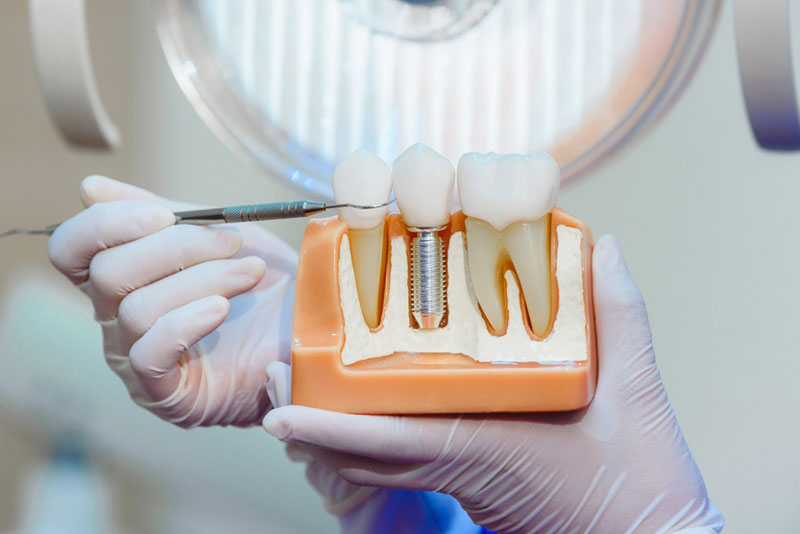
Screwless dental implants don’t skip the implant itself. A titanium or zirconia implant is still placed into the jawbone, just like with traditional systems. The difference lies in how the final crown is attached.
Instead of a visible screw channel through the crown, the restoration is cemented onto a precisely fitted abutment. The screw may still exist internally, but it’s hidden from view and doesn’t affect the appearance of the tooth.
The result is a smooth, uninterrupted surface that closely mimics a natural tooth.
Screw-Retained vs. Cement-Retained: The Real Differences
Rather than thinking in terms of “old vs new,” it’s more accurate to see these as two tools for different situations.
Screw-retained implants
– Easy to remove and adjust
– Often preferred for back teeth with heavy chewing forces
– Small access hole is sealed but may still affect aesthetics
Screwless (cement-retained) implants
– No visible access hole
– More natural appearance, especially in front teeth
– Requires careful cement handling to protect the gums
Many clinicians use both systems, choosing based on tooth position, bite forces, and aesthetic priorities.
The Screwless Implant Process, Step by Step
1. Implant Placement
The implant post is placed into the jawbone using conventional or guided techniques. Over several months, the bone integrates with the implant in a process called osseointegration, creating a stable foundation.
2. Abutment Customization
Once healed, a custom or prefabricated abutment is placed. This piece shapes how the crown emerges from the gum and plays a major role in how natural the final result looks.
3. Crown Cementation
The final crown is bonded to the abutment using specialized dental cement. When done correctly, excess cement is fully removed, leaving healthy gums and a seamless finish.
Research suggests that precision-fit abutments and controlled cementation techniques significantly reduce soft-tissue complications compared to earlier cemented systems.
Why Many Patients Prefer Screwless Options
Aesthetics come first
Without a screw access point, the crown reflects light more naturally and blends better with neighboring teeth.
Fewer mechanical issues
There’s no screw that can loosen over time, which reduces certain maintenance concerns.
Smoother gum contours
Cement-retained crowns often allow for a cleaner emergence profile, especially important in visible smile zones.
Simpler final appointments
The restorative phase can be faster, with fewer adjustment steps in some cases.
Important Considerations (Often Overlooked)
Screwless implants aren’t automatically “better.” They require experience and precision.
- Cement control matters: leftover cement can irritate gums if not properly removed.
- Retrievability is limited: removing a cemented crown is possible, but always requires professional care.
- Not ideal for every tooth: molars with heavy bite forces may still benefit from screw-retained designs.
According to population-based dental outcome data, long-term success rates for screw-retained and cement-retained implants are comparable when case selection and technique are appropriate.
Who Is Usually a Good Candidate?
Screwless implants are often considered when you:
- Are replacing a front or highly visible tooth
- Prioritize natural aesthetics
- Have healthy gums and adequate bone support
- Prefer a restoration without visible metal access points
The final decision is always individual — based on anatomy, bite, lifestyle, and long-term goals.
Living With a Screwless Implant
Once healed, a screwless implant behaves much like a natural tooth. Daily brushing, flossing, and routine professional cleanings remain essential. Most patients quickly forget which tooth is the implant — often the best sign of success.
The Takeaway
Screwless dental implants aren’t a marketing gimmick or a shortcut. They’re a refined restorative option designed for situations where appearance, comfort, and subtlety matter most.
They don’t replace traditional implants — they expand the toolbox. And when used thoughtfully, they can deliver results that look less like dentistry and more like nature.
Sometimes, the best dental work is the kind no one notices at all.