
Screwless Dental Implants Procedure
How Screwless Implants Work — and When They Make Sense
The idea of restoring a missing tooth without screws, stitches, or complex hardware sounds almost too simple. Yet for many patients, screwless dental implants are exactly that: a quieter, more refined approach to tooth replacement that focuses on comfort, aesthetics, and precision rather than mechanics.
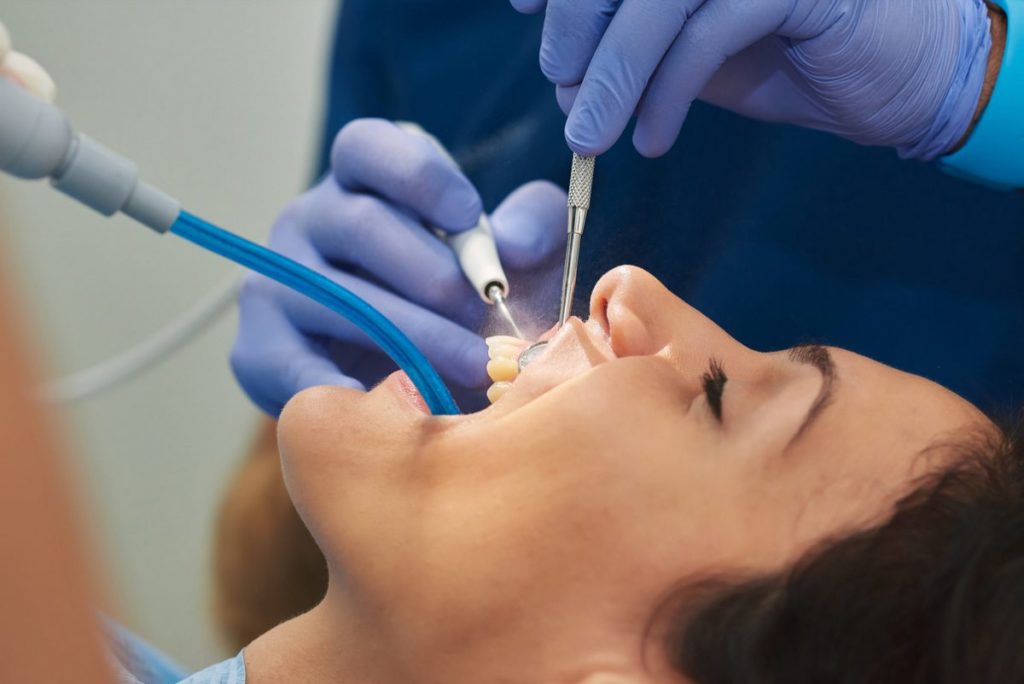
Below is a clear, human explanation of what screwless dental implants are, how the procedure actually works, and how they compare with traditional screw-retained systems — without marketing noise or textbook language.
What Are Screwless Dental Implants?
Screwless dental implants are implant restorations where the visible tooth (crown) is not attached with a screw.
Instead, the crown is fixed to the implant using:
- dental cement, or
- a precision friction-fit (locking-taper) connection
The implant itself — usually titanium or zirconia — is still placed into the jawbone in the standard way and integrates with bone over time. What changes is how the final tooth is secured, not how the implant functions biologically.
The goal is simple:
no screw access hole, no patched surface, and a tooth that looks uninterrupted and natural.
How the Screwless Implant Procedure Actually Works
Despite some online claims, screwless implants are not “glued in during one visit” in most real clinical cases. The process still respects biology.
1. Implant Placement
The implant is placed into the jawbone under local anesthesia (or sedation if needed). Healing begins as the bone gradually bonds to the implant — a process called osseointegration.
This phase usually takes a few months and is critical for long-term stability.
2. Healing and Evaluation
Once the implant is fully integrated, the dentist evaluates gum health, bone stability, and bite alignment before moving forward.
3. Crown Attachment (The Screwless Part)
This is where screwless systems differ:
- Cement-retained method: the crown is bonded to the abutment with dental cement
- Locking-taper method: the crown or abutment is gently tapped into place using a conical friction fit — no cement, no screw
Both methods eliminate visible screw channels and allow for smoother crown design.
Why Dental Implants Matter in the First Place
Tooth loss isn’t just cosmetic.
Over time, missing teeth can lead to:
- bone loss in the jaw
- shifting of neighboring teeth
- changes in bite and facial structure
- difficulty chewing and speaking
Dental implants restore function at the root level, not just on the surface. Studies have shown that implants help preserve jawbone density far better than removable solutions, especially when placed early.
Screw-Retained vs Screwless (Bonded) Implants
A Practical Comparison
Rather than labeling one as “better,” it’s more accurate to say they’re designed for different priorities.
Screw-Retained Implants
Best suited for:
- back teeth
- high chewing forces
- cases where future access may be needed
Advantages:
- easy crown removal for repairs
- long clinical history
- excellent durability
Limitations:
- visible or patched screw access hole
- slightly more complex crown design
Screwless (Bonded or Locking-Taper) Implants
Best suited for:
- front teeth
- patients focused on aesthetics
- cases where smooth gum integration matters
Advantages:
- seamless, natural appearance
- smooth crown surface
- no screw loosening
Limitations:
- crown removal can be more complex
- cement must be handled carefully
- not ideal for all bite forces
According to long-term clinical observations, both systems show high survival rates when used appropriately — with friction-fit designs showing particularly strong stability in selected cases.
Is a Screwless Implant Right for You?
You may be a good candidate if:
- aesthetics are a priority
- the implant is in the visible smile zone
- you want fewer mechanical components
- your bone quality supports stable placement
You may need a different approach if:
- the tooth absorbs heavy chewing force
- future retrievability is a concern
- complex bite correction is required
This decision is never generic — it’s anatomical, functional, and personal.
Final Thought
Screwless dental implants aren’t a shortcut.
They’re a design choice.
One that prioritizes natural appearance, comfort, and refined engineering — while still relying on the same biological principles that make implants reliable in the first place.
The real question isn’t “Are screwless implants better?”
It’s “Which system fits your mouth, your bite, and your long-term goals?”
That answer only comes from thoughtful planning — not from trends.