Professional-Grade Video for Content Creation
Why your camera choice quietly shapes how people trust you online
High-quality video is no longer a “nice extra.”
It’s the baseline.
Whether someone is watching a tutorial, joining a remote meeting, or scrolling past your content on a second screen, video quality sends an instant signal: is this worth my attention? A professional-grade webcam doesn’t just improve how you look on screen — it changes how confidently your message lands.
And the difference is more noticeable than most people expect.
Why Built-In Cameras Stop Being Enough
Laptop cameras are designed for convenience, not presence.
They work — but barely.
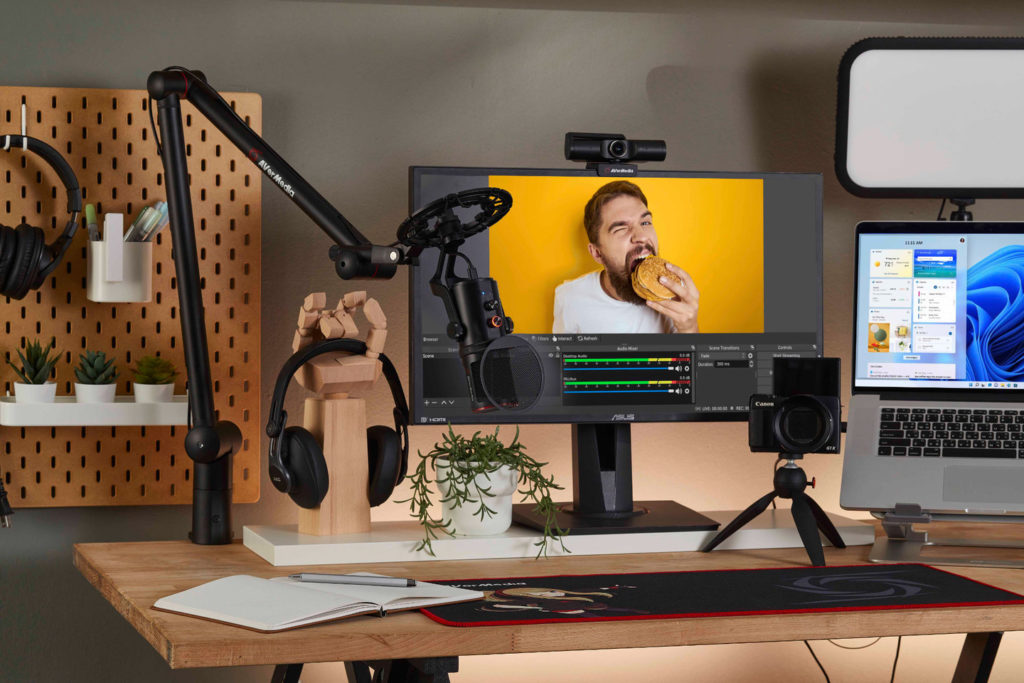
Professional webcams are built around a different goal: consistent, controlled image quality. Better lenses, larger sensors, and smarter processing mean your face looks natural, colors don’t drift, and movement stays smooth. You don’t need studio conditions to look credible — the camera does more of the work for you.
Studies have shown that viewers subconsciously associate clearer video with higher credibility and competence, even when the content itself doesn’t change.
That matters more than specs.
What “Professional” Actually Means in Practice
Professional-grade doesn’t automatically mean 4K or complex setups.
It usually means predictability.
Good webcams handle:
- uneven lighting without blowing out highlights
- low-light rooms without heavy grain
- small movements without constant refocusing
Automatic HDR, reliable autofocus, and accurate color reproduction reduce friction — for you and for your audience. You stop worrying about how you look and start focusing on what you’re saying.
That shift shows on screen.
Streaming, Recording, or Calls — Different Needs, Same Core Quality
For live streaming or recorded content, smooth motion matters. Higher frame rates (like 60fps at 1080p) make gestures feel natural and prevent that subtle “laggy” look that turns viewers off without them knowing why.
For meetings and remote collaboration, clarity and stability do more than improve aesthetics. They reduce fatigue. When faces are sharp and expressions readable, conversations feel less effortful.
Research suggests that visual clarity in video communication improves engagement and perceived understanding, especially in longer sessions.
Audio, Framing, and the Small Details People Notice
While video leads, audio quietly decides whether people stay.
Many professional webcams include microphones with basic noise reduction — not studio-grade, but good enough for clean speech in quiet spaces. Combined with flexible mounting options (monitor, tripod, eye-level positioning), they help create a balanced frame that feels intentional instead of accidental.
Even small adjustments — eye-level angle, neutral background, stable exposure — add up to a more confident presence.
Webcams in Education, Coaching, and Global Work
In online education and coaching, a clear webcam changes how authority is perceived. Students and clients respond better when they can read facial cues easily — it mimics in-person interaction more closely.
The same applies to global teams. When video quality removes distractions, distance feels smaller. Conversations feel human again.
According to population-level communication research, video clarity plays a measurable role in perceived trust and attention during remote interactions.
Typical Professional Webcam Options (Context, Not Endorsement)
| Model Type | Best For | Typical Price Range |
|---|---|---|
| Full HD 1080p / 60fps | Streaming, creators, coaches | $100–$150 |
| 4K webcams | Detailed framing, cropping flexibility | $150–$200 |
| Fixed-focus creator cams | Controlled studio setups | $150–$200 |
| Compact USB-C webcams | Remote work, portability | $100–$130 |
Prices vary by region and availability. Independent comparison is always recommended.
The Real Upgrade Isn’t Technical
A professional webcam doesn’t magically create better content.
But it removes friction:
- fewer retakes
- less setup anxiety
- fewer “sorry, my camera’s acting weird” moments
That space lets you focus on substance.
The real question isn’t which webcam is best —
it’s whether your current setup supports the way you want to be perceived.
And once people stop noticing your video quality,
they finally start listening to what you’re actually saying.