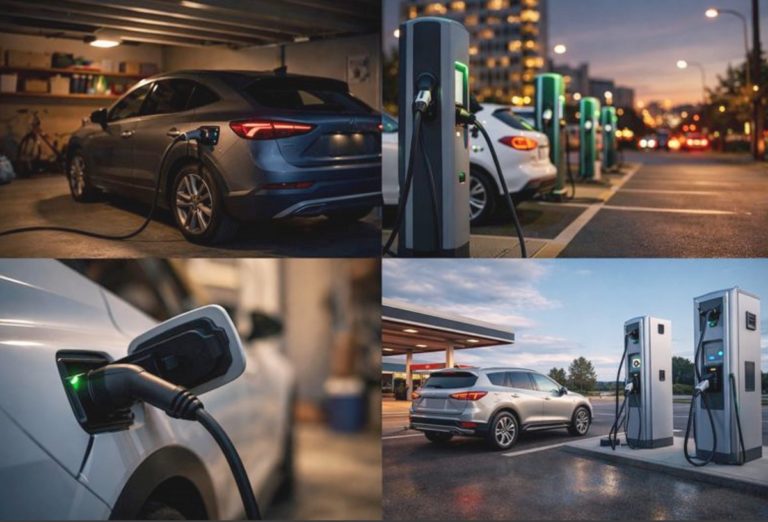
Are Electric Cars Worth It Long-Term? The Question People Ask When the Excitement Wears Off
People usually search are electric cars worth it long-term after the honeymoon phase.
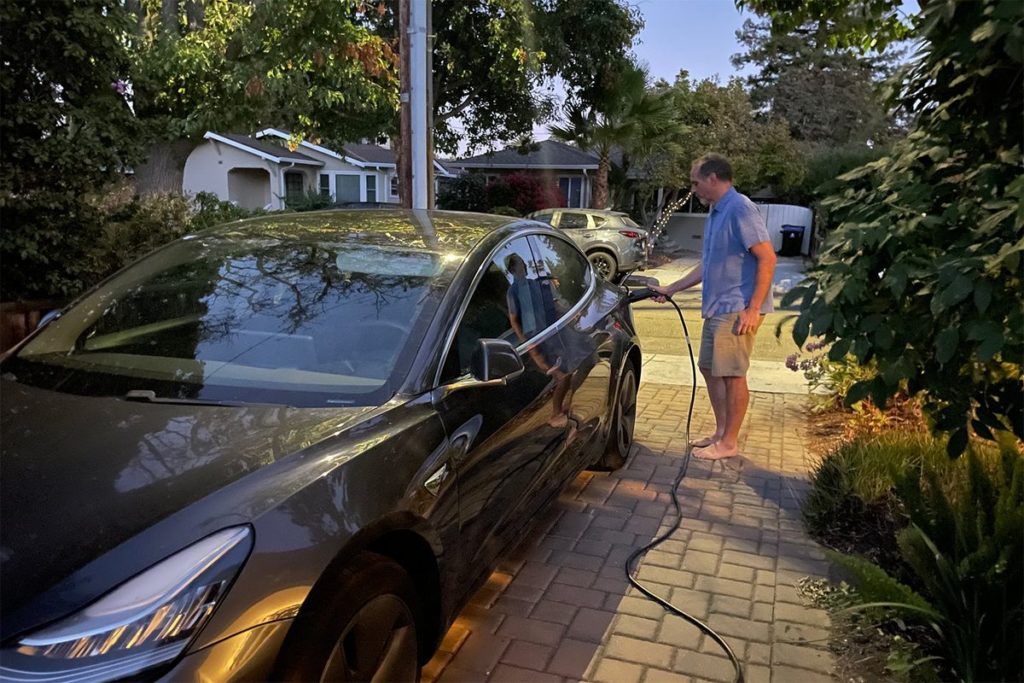
The test drive was quiet.
Acceleration felt effortless.
Charging sounded manageable — at least in theory.
But long-term ownership isn’t about how an EV feels in week one.
It’s about how it fits into a real life five, eight, ten years later.
And that’s where the answer becomes less comfortable — and more useful.
What “Worth It” Quietly Means in This Question
Most articles treat “worth it” as math.
Purchase price.
Fuel savings.
Tax incentives.
That’s incomplete.
In practice, long-term value for electric cars is shaped by four overlapping factors:
- cost stability
- battery uncertainty
- infrastructure dependence
- lifestyle compatibility
Miss one of these, and the numbers stop telling the truth.
The Long-Term Cost Picture Isn’t Flat — It’s Front-Loaded
Electric cars usually cost more upfront and less later.
Gas cars cost less upfront and surprise you later.
But the long-term EV cost story depends on how long you actually keep the car.
| Cost factor | Electric car (long-term) | Gas car (long-term) |
|---|---|---|
| Energy | More predictable | Volatile |
| Maintenance | Fewer moving parts | Gradual accumulation |
| Repairs | Less frequent | More frequent |
| Major risk | Battery degradation | Engine / transmission |
Research suggests that total cost of ownership for EVs can be lower over long horizons — if the battery remains within acceptable health. That “if” is doing most of the work.
Battery Anxiety Isn’t About Failure — It’s About Timing
Most EV batteries don’t suddenly fail.
They slowly lose capacity.
That matters because:
- range shrinks first, not functionality
- resale value reacts earlier than usability
- replacement decisions arrive before the car is “done”
Studies have shown that modern EV batteries degrade more slowly than early models. Still, degradation is inevitable — and uneven.
Two identical cars can age very differently depending on:
- charging habits
- climate
- usage patterns
Long-term EV ownership isn’t about avoiding battery issues.
It’s about deciding when they stop being acceptable.
Infrastructure Is the Hidden Long-Term Cost
Charging convenience is often framed as a short-term issue.
It isn’t.
Long-term EV value depends heavily on:
- reliable home charging
- consistent access to public infrastructure
- local grid stability
- future policy shifts
If charging becomes friction, ownership becomes work.
According to population data on EV adoption, satisfaction drops sharply when drivers rely primarily on public chargers — not because charging is impossible, but because it’s unpredictable.
Stability matters more than speed.
Depreciation: Where EVs Behave Differently
Electric cars don’t depreciate like gas cars.
They depreciate around technology perception.
When battery tech improves quickly:
- older models feel outdated faster
- resale pricing reacts early
- buyers price in future replacement fear
This doesn’t mean EVs are bad long-term assets.
It means they reward longer ownership cycles.
Buying with the intention to resell quickly is where EV math often breaks.
Are Electric Cars Worth It Long-Term for Everyone? No.
This is where many articles stop being honest.
Electric cars tend to work best long-term if:
- you can charge at home
- daily driving fits predictable patterns
- you plan to keep the car for many years
- fuel price volatility stresses you
They tend to work poorly if:
- charging access is inconsistent
- long road trips are frequent and unplanned
- resale timing matters
- technology change makes you uneasy
Long-term value isn’t universal.
It’s situational.
The Emotional Side No One Mentions
Long-term ownership isn’t only financial.
EV owners often describe:
- reduced mechanical anxiety
- quieter daily routines
- fewer “surprise” repairs
At the same time, some experience:
- constant range calculation
- infrastructure dependence stress
- decision fatigue around charging
Neither side is wrong.
They’re reflections of how much mental space you want your car to occupy.
Who This Is For
- drivers planning to keep a car long-term
- households with stable charging access
- people valuing predictability over flexibility
- buyers comfortable with technology trade-offs
Who This Is NOT For
- frequent vehicle switchers
- drivers without charging control
- people seeking maximum resale flexibility
- those uncomfortable with gradual battery decline
Micro-FAQ
Do EVs save money long-term?
Sometimes — but only when ownership length and charging access align.
Will battery replacement erase savings?
It can, depending on timing and resale expectations.
Are EVs more reliable long-term?
Mechanically, often yes. System-wide, it depends on infrastructure.
What Happens After the Next Step
Most people start with “Are electric cars worth it long-term?”
The more revealing question comes later:
Am I optimizing for lower costs — or for fewer unknowns?
Electric cars reduce some uncertainties and introduce others.
They don’t eliminate trade-offs.
They rearrange them.
And long-term satisfaction depends less on the vehicle itself —
and more on whether that rearrangement fits the life you’re actually living.
That’s the part worth thinking through before the decision locks in.
Editorial team at BeautyHealth.top
Research-based consumer guides