
Solar Panels in India: A Renewable Energy Option for Homes and Businesses
Solar energy is becoming an increasingly discussed solution for electricity generation across India. Rising energy costs, concerns about power reliability, and growing awareness of environmental impact are encouraging homeowners and businesses to explore solar panels as an alternative to conventional electricity sources.
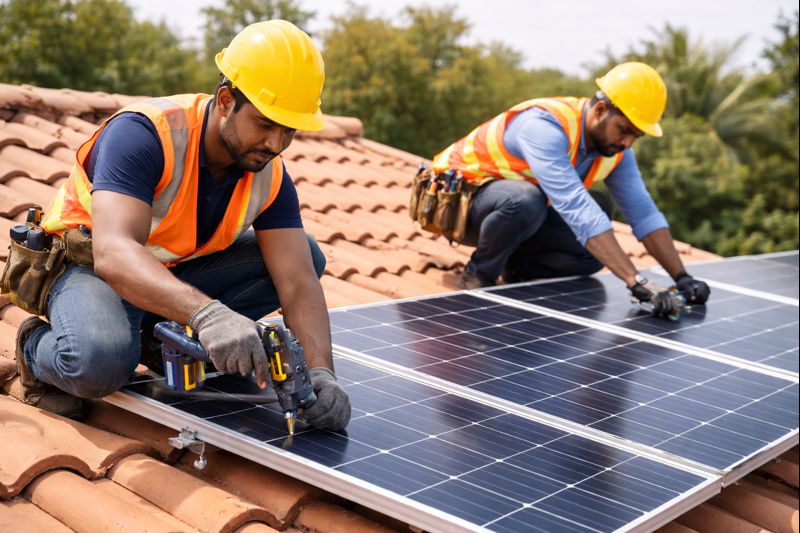
By converting sunlight into usable power, solar panels offer a way to reduce dependence on the grid while supporting long-term sustainability goals. Understanding how this technology works and what factors influence installation decisions is an important first step for those considering solar energy.
How Solar Panels Work
Solar panels, also known as photovoltaic (PV) panels, generate electricity by capturing sunlight through silicon-based cells. When sunlight reaches these cells, it creates an electric charge that produces direct current (DC) electricity. An inverter then converts this DC electricity into alternating current (AC), which is used to power lights, appliances, and equipment in homes and commercial buildings.
Any excess electricity produced can either be stored in batteries or exported to the grid through net metering, depending on local regulations. Modern solar panels typically operate with efficiency levels between 15% and 22%, depending on the technology used.
Key Factors to Consider Before Installation
Before installing a solar panel system, several practical considerations should be evaluated. Roof orientation and sunlight exposure play a major role in system performance. In most parts of India, south-facing roofs with minimal shading receive the most consistent sunlight throughout the year.
Structural suitability is also important, as panels are designed to remain in place for decades. Energy consumption patterns help determine the appropriate system size, making a review of past electricity bills a useful step.
Local climate conditions matter as well. Regions with higher annual sunshine hours, such as Rajasthan or Gujarat, generally achieve higher energy output than areas affected by prolonged cloud cover or monsoon seasons. In addition, understanding state-level net metering rules, subsidies, and government incentive programs can significantly affect overall costs.
Solar Panels Compared to Conventional Power
Solar energy differs from traditional electricity generation in several ways. Conventional power sources often rely on fossil fuels, contributing to air pollution and carbon emissions. Solar panels generate electricity without emissions during operation, supporting cleaner energy production.
From a financial perspective, solar systems typically require higher upfront investment but offer long-term savings by reducing monthly electricity expenses. In India, the payback period for many residential systems is commonly estimated at five to seven years, depending on tariffs and usage patterns.
Solar power also offers greater energy independence, which can be valuable in areas where power outages occur. However, solar generation depends on daylight, making battery storage or grid connection important for consistent supply.
Typical Costs of Solar Panel Systems in India
Solar installation costs vary based on system size, panel type, and location. Residential systems usually range between ₹40,000 and ₹60,000 per kilowatt (kW), while larger commercial installations often benefit from lower per-kW costs.
| Panel Type | Efficiency Range | Average Cost per kW | Warranty Period |
|---|---|---|---|
| Monocrystalline | 18–22% | ₹45,000–60,000 | 25 years |
| Polycrystalline | 15–17% | ₹40,000–50,000 | 25 years |
| Thin Film | 10–12% | ₹35,000–45,000 | 15–20 years |
Additional components such as inverters, mounting structures, wiring, and installation labor contribute to total costs. Optional battery storage increases investment but improves energy independence. Government subsidies may reduce overall expenses, depending on system size and state policies.
Why Solar Energy Continues to Attract Interest
Solar panels represent a long-term energy solution for many Indian households and businesses. While initial costs require careful planning, benefits such as lower electricity bills, reduced reliance on the grid, and environmental impact make solar power an increasingly attractive option.
Proper evaluation of site conditions, equipment quality, and local regulations helps ensure realistic expectations and better outcomes. As India continues expanding its renewable energy capacity, solar power remains a central component of the country’s energy transition.
Disclaimer
This content is provided for informational purposes only and does not constitute financial, technical, or energy advice. Costs, incentives, and regulations vary by location. Always consult qualified professionals before making installation decisions.