
Tyres in the UK 2026: Trends, Safety Tips and Buying Guidance
Choosing the right tyres in the UK is more than a routine purchase—it directly affects safety, comfort, and vehicle performance. With the UK’s unpredictable weather and evolving automotive standards, tyre selection in 2026 requires careful consideration. From seasonal tyre types to new safety technologies, understanding current trends helps drivers make informed decisions for year-round driving.
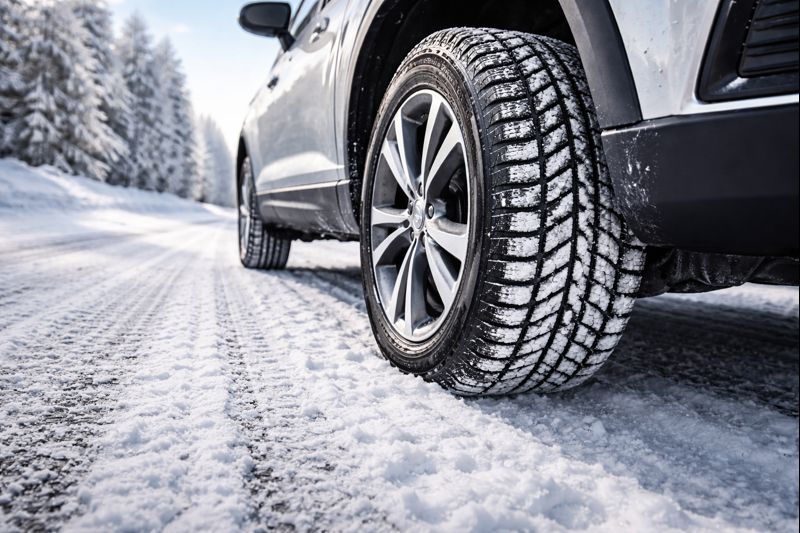
The mix of rain, mild winters, occasional snow, and varying road conditions across England, Scotland, Wales, and Northern Ireland makes tyres a critical component of everyday road safety.
Summer, Winter and All-Season Tyres: What’s the Difference?
UK drivers typically choose between three main tyre categories, each designed for specific conditions.
Summer tyres perform best when temperatures stay above 7°C. They offer strong grip on dry and wet roads, shorter braking distances, and improved fuel efficiency during warmer months.
Winter tyres are designed for temperatures below 7°C. Their softer rubber compound and deeper tread patterns improve traction on cold, wet, snowy, or icy roads. They are especially relevant in northern regions and rural areas during winter.
All-season tyres combine features of both summer and winter tyres. While they don’t match the performance of dedicated seasonal tyres in extreme conditions, they provide a practical solution for drivers who prefer year-round convenience and moderate performance.
Key Factors to Consider When Buying Tyres in the UK
Several important elements influence tyre choice for UK roads:
- Correct tyre size, load index, and speed rating as specified by the vehicle manufacturer
- Tread pattern design, affecting wet grip, noise levels, and durability
- Driving habits, such as motorway use versus urban driving
- Local climate, including frequency of cold temperatures or heavy rainfall
Brand reputation and warranty coverage also matter. Established tyre manufacturers often offer better quality control, consistent performance, and stronger after-sales support.
Safety Standards and Tyre Technology in 2026
Tyre safety remains a top priority in the UK. EU-style tyre labels continue to display key performance metrics, including fuel efficiency, wet grip rating, and external noise levels. These labels help drivers compare tyres more easily.
Modern tyres increasingly feature advanced technologies such as reinforced sidewalls, run-flat capability, and improved rubber compounds for better grip and longevity. Tyre Pressure Monitoring Systems (TPMS) are now standard on newer vehicles, alerting drivers to pressure changes that can affect safety and fuel consumption.
Maintaining correct tyre pressure is essential, as under-inflated tyres can reduce handling performance, increase stopping distances, and accelerate wear.
Tyre Maintenance Tips for Longer Life
Regular maintenance helps extend tyre lifespan and ensures consistent performance:
- Check tyre pressure at least once a month
- Monitor tread depth (legal minimum in the UK is 1.6mm, though many experts recommend replacement at 3mm)
- Rotate tyres every 5,000–8,000 miles for even wear
- Schedule wheel alignment and balancing checks, especially after impacts or tyre replacement
These simple practices can improve fuel efficiency and reduce long-term costs.
Tyre Market Trends in the UK
In 2026, UK drivers continue shifting toward premium tyres that offer longer life, better wet grip, and improved fuel efficiency. Online tyre purchasing and mobile fitting services are increasingly popular, offering convenience and competitive pricing.
Electric vehicle growth is also influencing tyre development. EV-specific tyres are designed to handle higher torque, increased vehicle weight, and reduced road noise requirements.
| Brand | Popular Models | Typical Price Range |
|---|---|---|
| Michelin | Pilot Sport, CrossClimate | £80–£200 |
| Continental | PremiumContact, AllSeasonContact | £70–£180 |
| Bridgestone | Potenza, Turanza | £65–£170 |
| Pirelli | P Zero, Cinturato | £75–£190 |
| Goodyear | Eagle F1, EfficientGrip | £60–£160 |
Prices may vary by size, retailer, and location.
Making the Right Tyre Choice in 2026
Selecting the right tyres in the UK involves balancing safety, performance, budget, and driving conditions. Whether choosing summer, winter, or all-season tyres, understanding current standards and trends helps drivers make confident decisions.
Well-chosen tyres not only improve road safety but also enhance driving comfort and efficiency throughout the year.
Disclaimer
This content is provided for informational purposes only and does not constitute automotive or safety advice. Tyre suitability depends on individual vehicles and driving conditions. Always consult qualified professionals before purchasing or installing tyres.