Electric Cars in Singapore 2026: Smarter, Quieter and Designed for City Life
Electric cars are becoming an increasingly common sight on Singapore’s roads in 2026. What once felt like an experimental alternative has quietly evolved into a practical option for everyday urban driving. With improved charging infrastructure, smarter vehicle technology, and supportive government policies, electric vehicles now fit naturally into Singapore’s compact and highly connected city environment.
For many residents, the appeal lies not only in sustainability but also in convenience, reduced noise, and lower day-to-day operating costs.
Why Electric Vehicles Are Gaining Popularity in Singapore
Several factors are accelerating electric car adoption across the city-state. Government incentives such as early adoption schemes and lower road taxes make EV ownership more financially accessible. Emissions-based regulations further encourage drivers to consider low-emission alternatives.
Singapore’s geography also plays a major role. Short travel distances and predictable commuting patterns remove concerns about range limitations. Most daily trips fall well within modern EV ranges, making charging anxiety largely irrelevant. In stop-and-go traffic, electric drivetrains perform efficiently, using regenerative braking to recover energy while reducing wear on mechanical components. Quiet operation is another advantage, contributing to lower noise levels in dense residential areas.
What’s New in Electric Vehicle Technology for 2026
Electric vehicle technology continues to mature, and 2026 models reflect meaningful progress rather than experimental features. Battery systems now offer longer service life and faster charging, with some models reaching 80 percent charge in under half an hour at fast-charging stations.
Thermal management systems have improved, helping batteries perform reliably in Singapore’s warm climate. Software-driven vehicles benefit from over-the-air updates that enhance features and efficiency over time. Advanced driver assistance systems, such as adaptive cruise control and automated parking, are increasingly standard rather than premium options. Some vehicles also support vehicle-to-grid functions, allowing stored energy to be used more flexibly at home.
Charging Infrastructure Across Singapore
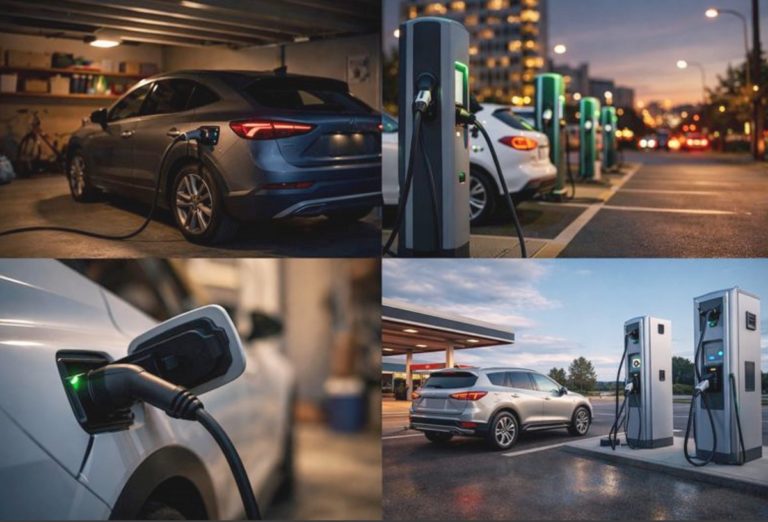
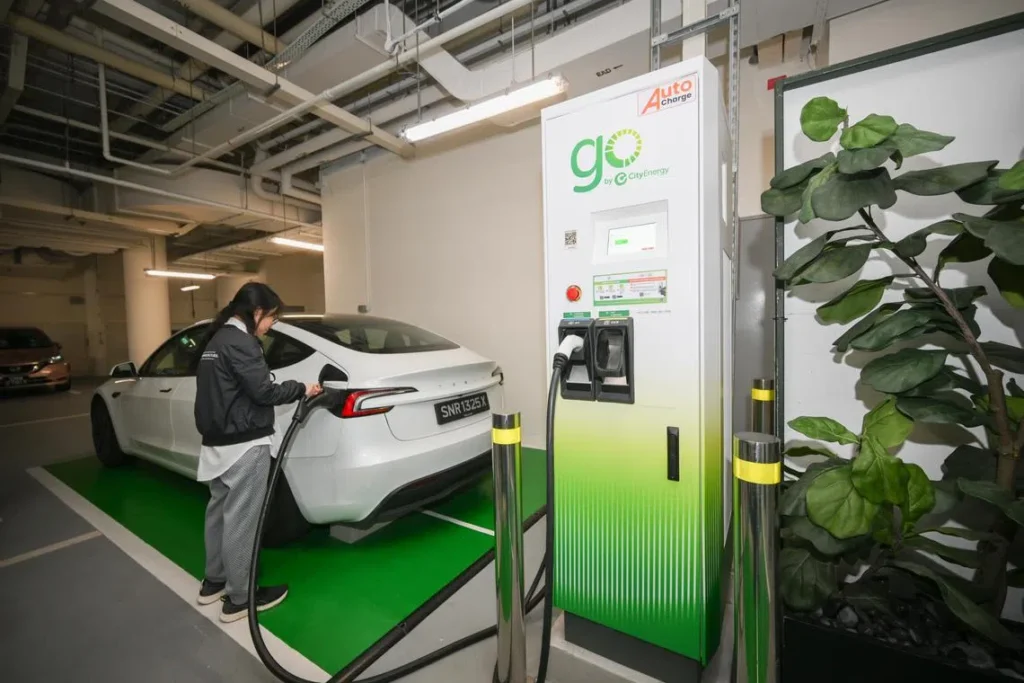
Charging access has expanded rapidly, addressing one of the main barriers to EV adoption. Thousands of public charging points are now available across shopping centres, offices, residential car parks, and expressways. Housing estates continue to see charger installations, making EV ownership more feasible for apartment residents.
Private charging operators offer flexible payment models, while landed property owners often rely on overnight home charging. Workplace charging is becoming more common, and mobile apps make it easy to locate available chargers in real time.
| Provider | Charging Type | Network Size | Typical Cost |
|---|---|---|---|
| SP Group | AC & DC Fast | 2,500+ | $0.50–$0.70/kWh |
| Charge+ | DC Fast | 400+ | $0.55–$0.75/kWh |
| Greenlots | AC & DC | 300+ | $0.48–$0.68/kWh |
| BlueSG | AC | 500+ | Subscription |
| Shell Recharge | DC Fast | 200+ | $0.60–$0.80/kWh |
Prices may vary by location and plan.
Who Is Best Suited for an Electric Car in Singapore
Electric cars suit drivers with predictable daily routines particularly well. Commuters benefit from lower energy costs compared to petrol, while families with access to home or nearby charging enjoy added convenience. Ride-hailing and delivery drivers often see reduced maintenance expenses due to fewer mechanical components.
Environmentally conscious drivers appreciate the absence of tailpipe emissions, while tech-oriented users value connected features and digital controls. However, drivers who frequently travel long distances outside Singapore may still need to plan charging more carefully.
EV Market Trends Shaping 2026
Compact SUVs and crossovers dominate the electric market, offering practicality without oversized footprints. New brands, especially from Asia, are gaining attention with competitive pricing and generous feature sets. Leasing and subscription models are growing, allowing drivers to experience electric mobility without long-term ownership commitments.
The used EV market is also emerging, supported by battery health certification programs that increase buyer confidence. Integration with smart home systems allows owners to optimise charging during off-peak hours, reducing energy costs.
Key Considerations Before Buying an EV
Prospective buyers should evaluate total ownership costs, which often favour electric vehicles over time despite higher initial prices. Battery warranty coverage, insurance terms, and charging access are important factors. Test drives remain essential to understand driving feel and cabin comfort, while realistic range assessment helps avoid unnecessary expense.
Electric Cars as a Natural Fit for Singapore
Electric vehicles align closely with Singapore’s urban design and sustainability goals. As infrastructure expands and technology improves, owning an electric car becomes less of a lifestyle statement and more of a practical choice. For many drivers in 2026, electric cars offer a quieter, more efficient, and more convenient way to navigate city life.