
Understanding Snoring and Practical Ways to Reduce It
Snoring is a widespread sleep-related issue that affects millions of people across the UK. While occasional snoring is usually harmless, regular or loud snoring can interfere with sleep quality, strain relationships, and signal underlying lifestyle or breathing-related factors. Understanding why snoring occurs is an important first step toward reducing it safely and effectively.
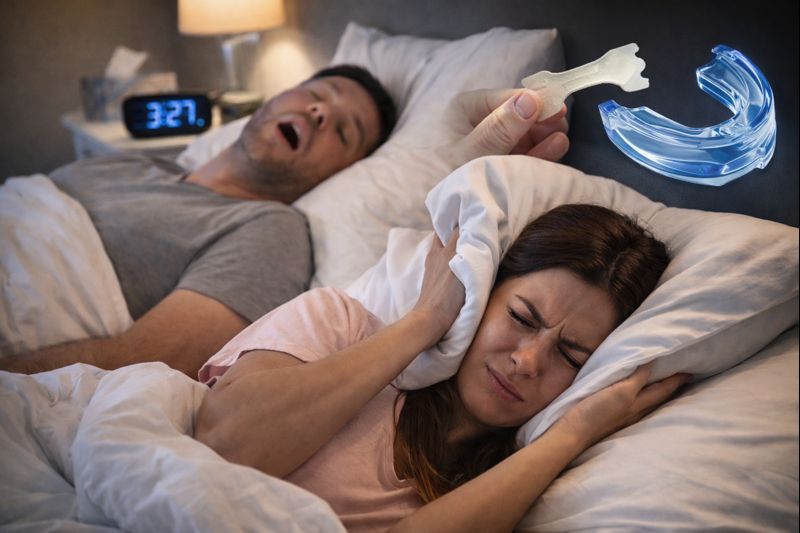
Snoring happens when airflow through the nose or throat becomes partially blocked during sleep. As air passes through narrowed airways, surrounding tissues vibrate, producing the familiar snoring sound. In many cases, this process is influenced by everyday habits, body position, or natural physical changes rather than serious medical conditions.
Common Reasons People Snore at Night
Several factors contribute to snoring during sleep. One of the most common causes is muscle relaxation in the throat. As the body enters deeper sleep stages, throat muscles naturally relax, which can narrow the airway and disrupt smooth airflow. This effect tends to become more noticeable with age as muscle tone decreases.
Body weight can also play a role. Excess tissue around the neck may place additional pressure on the airway, increasing resistance during breathing. Nasal congestion caused by colds, allergies, or a deviated septum often forces mouth breathing, which further increases the likelihood of snoring. Alcohol consumption and certain medications may worsen snoring by relaxing airway muscles even more than usual.
How Sleep Position and Daily Habits Influence Snoring
Sleep posture has a direct impact on breathing at night. Sleeping on the back allows gravity to pull the tongue and soft tissues toward the back of the throat, partially blocking airflow. This position is a frequent trigger for snoring, especially among people already prone to it. Side sleeping generally keeps the airway more open and may reduce snoring intensity.
Daily habits also matter. Irregular sleep schedules, dehydration, and sleeping in overly dry or warm rooms can contribute to congestion and poor sleep quality. Pillow height and mattress firmness influence neck alignment, which can either support or restrict proper airflow during rest.
Lifestyle Adjustments That May Help Reduce Snoring
For many people, simple lifestyle changes can noticeably reduce snoring. Maintaining a healthy weight through balanced nutrition and regular activity helps reduce pressure around the airway. Drinking enough water prevents throat and nasal secretions from becoming thick and sticky, which can obstruct breathing.
Limiting alcohol intake in the evening and avoiding sedatives before bedtime may prevent excessive muscle relaxation. Establishing consistent sleep routines and keeping bedroom humidity at comfortable levels can also support clearer breathing. Some individuals find relief through regular nasal rinsing with saline solutions to reduce congestion.
Non-Invasive Snoring Solutions Worth Exploring
Several non-invasive methods are commonly used to manage snoring. Positional aids, such as special pillows or wearable devices, encourage side sleeping and help keep airways open. Oral devices designed to reposition the jaw or tongue can reduce airway collapse during sleep. Nasal strips and external dilators improve airflow through the nose, reducing reliance on mouth breathing.
Targeted throat and tongue exercises, often referred to as myofunctional therapy, aim to strengthen muscles involved in breathing and swallowing. In addition, some people use essential oil diffusers to help ease nasal congestion, particularly during allergy seasons.
When Snoring Should Be Checked by a Doctor
Persistent or worsening snoring may require medical evaluation. Loud snoring that occurs every night, gasping or choking sounds during sleep, excessive daytime tiredness, morning headaches, or concentration problems may indicate sleep-related breathing disorders such as sleep apnoea.
Children who snore regularly should also be assessed, as this can be linked to enlarged tonsils or adenoids. Adults who notice sudden changes in snoring patterns, especially following weight gain or health changes, are encouraged to consult healthcare professionals. Sleep studies may be recommended to identify underlying causes and guide appropriate care.
Final Thoughts
Snoring is often linked to everyday habits, sleep position, and lifestyle factors rather than serious illness. In many cases, small adjustments and non-invasive approaches can lead to noticeable improvements in sleep quality. However, persistent or severe snoring should not be ignored, as it may point to conditions that benefit from professional assessment.
Taking a balanced, informed approach allows individuals and their partners to improve sleep comfort while understanding when further medical guidance may be appropriate.