
Screwless Dental Implants: How Modern Implant Systems Are Changing Tooth Restoration
Dental implant technology continues to develop, offering new approaches to tooth replacement that focus on comfort, aesthetics, and long-term usability. One of the notable directions in modern dentistry is the use of screwless dental implants, which differ from traditional systems in the way the visible crown is attached to the implant.
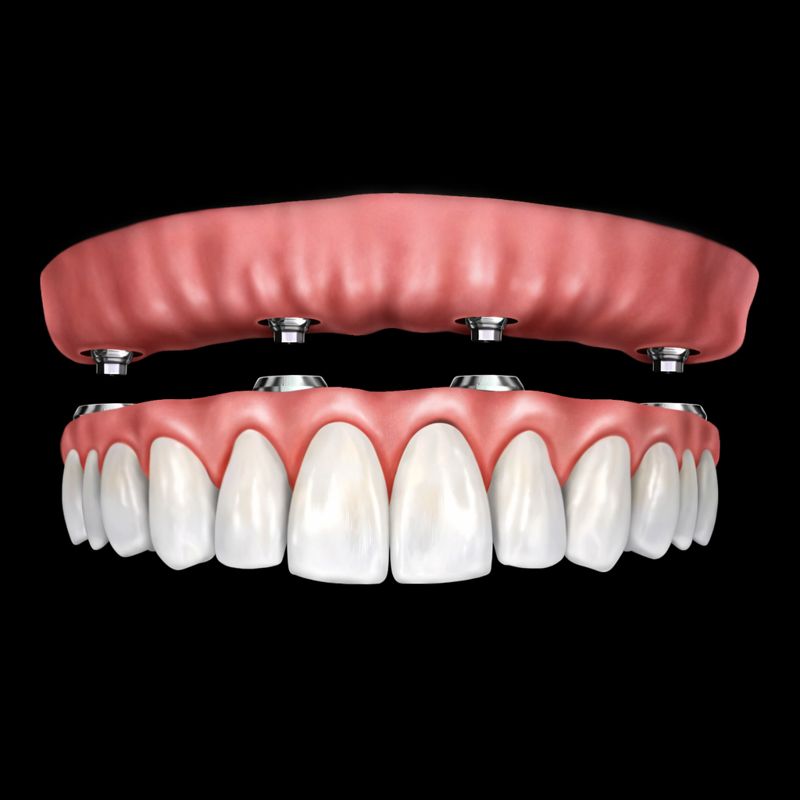
Unlike classic screw-retained implants, these systems avoid the use of fixation screws in the crown. This design change addresses several practical concerns that patients and dental professionals have observed over time, including aesthetics, maintenance, and soft tissue interaction.
What Are Screwless Dental Implants?
Screwless dental implants are implant-supported restorations where the crown is attached without a screw channel passing through it. The titanium implant itself is still placed into the jawbone, but the crown is secured using alternative retention methods. These may include dental cement, precision friction-fit connections, or specially engineered locking mechanisms.
By eliminating the screw access opening, the crown surface remains smooth and visually closer to a natural tooth. This approach also removes the mechanical element that can sometimes loosen over time in traditional systems.
Why Are Screwless Implants Gaining Attention?
Interest in screwless implant systems has grown due to several practical characteristics:
- Improved appearance – no visible access hole on the crown
- Simplified design – fewer mechanical components involved
- Potentially easier hygiene – smoother crown surfaces with fewer retention points for plaque
- Soft tissue response – gum tissue may adapt more naturally around the restoration
For many patients, these factors contribute to a more natural feel and appearance in everyday use.
How Do Screwless Implant Systems Work?
Different systems rely on different attachment principles. Cement-retained designs bond the crown to the abutment in a way similar to conventional dental crowns. Friction-fit systems use highly precise engineering so the crown locks into place without adhesive or screws. Some newer designs experiment with magnetic or snap-fit retention that allows stability while maintaining flexibility for clinical adjustments.
The surgical phase remains largely the same as with traditional implants: a titanium fixture is placed into the jawbone, followed by a healing period during which bone integrates with the implant surface.
Screwless vs Traditional Implants: Key Differences
Both screwless and screw-retained systems are widely used in modern dentistry, each with its own characteristics. Traditional screw-retained implants are known for their retrievability and long clinical history. Screwless systems, on the other hand, focus on aesthetics and simplified crown design.
| Implant System Type | Example Providers | Typical Cost Range | Notable Features |
|---|---|---|---|
| Screwless, cement-retained | Straumann, Nobel Biocare | $3,000–$5,000 per tooth | Smooth crown surface, no access hole |
| Traditional screw-retained | Zimmer Biomet, BioHorizons | $2,500–$4,500 per tooth | Retrievable, long-term data |
| Friction-fit systems | Dentsply Sirona, Megagen | $3,200–$5,500 per tooth | No cement, mechanical locking |
Cost figures are approximate and may vary depending on region, clinic, and individual case.
Factors That Influence Implant Outcomes
Regardless of the implant system used, overall success depends on several factors. Bone quality, oral hygiene habits, and general health all play a role in how well an implant performs over time. Proper planning and regular follow-up care remain essential parts of implant dentistry, independent of the chosen attachment method.
A Look Toward the Future
Screwless dental implants illustrate how implant dentistry is adapting to patient expectations and technological progress. By rethinking how restorations are attached, these systems aim to reduce some of the limitations associated with older designs. As research and clinical experience continue to expand, screwless solutions may become an increasingly familiar option in everyday dental practice.