
Unearthing the Health Benefits of Earthing: The Science and Practice Explained
In recent years, earthing — also known as grounding — has gained attention as a simple practice linked to well-being. At its core, earthing involves direct physical contact with the Earth’s surface, such as walking barefoot on grass, sand, or soil. While this idea may appear modern, it is deeply rooted in human history and is now being revisited through the lens of scientific research.
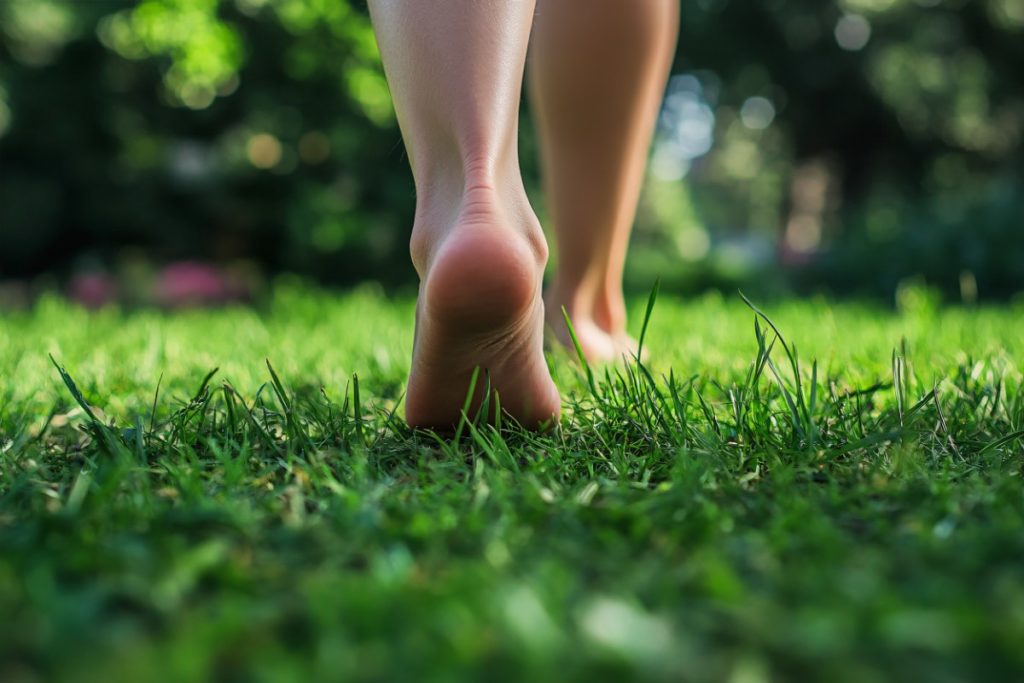
As lifestyles become increasingly urban and technology-driven, many people spend most of their time indoors and disconnected from natural environments. This shift has led researchers and wellness enthusiasts alike to re-examine whether physical separation from the Earth may influence how the body functions over time.
From Ancient Traditions to Modern Curiosity
For much of human history, direct contact with the ground was unavoidable. Indigenous cultures across continents practiced barefoot living, outdoor sleeping, and earth-based rituals as part of daily life. These customs were not framed as “health practices” but rather as natural ways of living.
Modern interest in earthing emerged when scientists began questioning whether this loss of direct Earth contact could affect biological processes. The Earth’s surface carries a mild negative electrical charge, and it has been proposed that physical contact allows the human body to exchange electrons with the ground.
What Science Says About Earthing
Scientific exploration into earthing is still developing, but several studies have examined its potential effects. Some research has focused on sleep patterns, stress markers, and inflammatory responses.
A frequently cited review in the Journal of Environmental and Public Health discussed how grounding may influence physiological processes related to stress and sleep regulation. Other studies have explored how earthing might affect inflammation, a process commonly linked to long-term health conditions.
It is important to note that while these findings are of interest, they are not universally accepted as conclusive. Researchers often emphasize the need for larger and longer-term studies to better understand cause-and-effect relationships.
How Earthing Is Practiced in Daily Life
Earthing does not require specialized equipment or structured routines. Common methods include:
- Walking barefoot on natural surfaces such as grass, sand, or soil
- Sitting or lying on the ground outdoors
- Touching natural elements like trees or rocks
Some people practice earthing during routine activities such as gardening, beach walks, or outdoor relaxation. Others explore indoor alternatives, such as grounding mats or sheets designed to simulate contact with the Earth’s electrical charge.
Environmental awareness is important when practicing earthing. Areas treated with chemicals or heavily polluted environments are generally avoided.
Potential Benefits Often Discussed
Supporters of earthing commonly associate the practice with:
- Improved relaxation and stress reduction
- Better sleep quality
- A general sense of physical balance or calm
These effects are typically described subjectively and vary from person to person. Many researchers point out that spending time outdoors itself — regardless of grounding — may contribute to these experiences through fresh air, sunlight, and reduced mental strain.
Considerations and Balanced Perspectives
While earthing is often described as low-risk, it is not without considerations. Walking barefoot may increase exposure to bacteria, sharp objects, or parasites depending on location. Awareness of surroundings and basic precautions are essential.
Health professionals consistently emphasize that earthing should not replace medical care or treatment. Instead, it is often discussed as a complementary lifestyle habit rather than a solution for specific conditions.
Interesting Observations and Practical Notes
- Short sessions, sometimes as little as 20–30 minutes, are commonly mentioned
- Earthing is accessible and does not require financial investment
- Interest in grounding often overlaps with broader wellness trends such as mindfulness and nature exposure
Looking at Earthing in a Modern Context
As people search for ways to counterbalance screen-heavy, sedentary routines, practices like earthing attract curiosity because of their simplicity. Whether the benefits stem from electrical exchange, time spent in nature, or a combination of factors remains an open question.
What is clear is that earthing encourages people to slow down, step outside, and reconnect with natural environments — a shift that many find valuable regardless of scientific debate.
This article is for informational purposes only and does not provide medical advice. Individuals should consult qualified healthcare professionals regarding health-related decisions.