
Early Warning Signs of Heart Failure and Valve Disease: What the Body May Be Signaling
Heart-related conditions do not always begin with dramatic symptoms. In many cases, changes in heart function develop gradually, producing signals that are easy to dismiss or attribute to age, stress, or fatigue. Heart failure and heart valve disease are examples of conditions where early awareness can play an important role in timely medical evaluation.
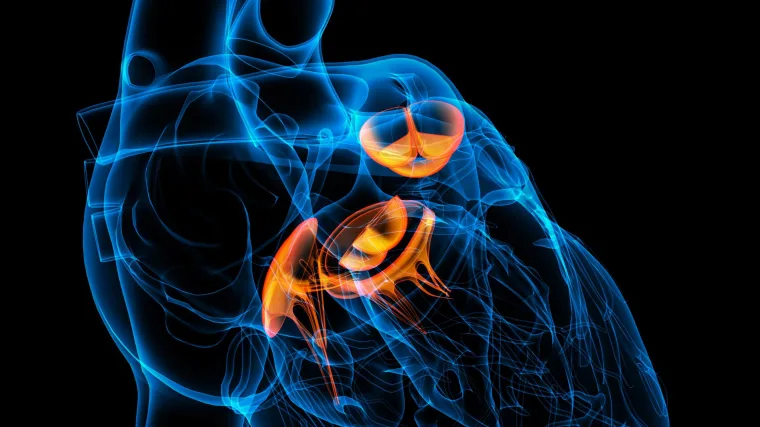
Understanding how these conditions may first present themselves helps individuals pay closer attention to subtle changes in daily well-being.
How Heart Valve Problems Can Begin
Heart valves regulate blood flow through the heart by opening and closing with each heartbeat. When a valve does not open fully or fails to close properly, circulation can become less efficient. Early signs may appear slowly and are not always specific to heart conditions.
Commonly reported changes include reduced tolerance for physical activity, where simple tasks feel more tiring than before. Some people notice chest discomfort during exertion or mild dizziness when standing up quickly. Swelling in the lower legs or ankles can also occur as blood circulation becomes less effective.
Because these signs may come and go, they are sometimes overlooked in the early stages.
Signs That May Suggest a Worsening Valve Issue
As valve function becomes more impaired, symptoms may become more noticeable. Shortness of breath is one of the most frequently mentioned indicators, often appearing during activity and later during routine movements.
Irregular heart rhythms or sensations of fluttering in the chest may develop. Some individuals report difficulty sleeping flat due to breathing discomfort, or a persistent cough that becomes more noticeable at night. Sudden weight changes over a short period may reflect fluid retention rather than changes in diet.
These signals do not confirm a diagnosis but often prompt further medical evaluation.
Early Indicators Linked to Heart Failure
Heart failure refers to the heart’s reduced ability to pump blood efficiently. Early warning signs can overlap with valve disease symptoms, which makes recognition more challenging.
Fatigue that persists despite rest, swelling in the legs or abdomen, and increasing breathlessness during everyday tasks are often described. In some cases, mental clarity or concentration may feel reduced due to changes in circulation.
Because these symptoms can resemble other conditions, professional assessment is often needed to determine the underlying cause.
Lifestyle Factors That Support Heart Health
While medical evaluation is essential for diagnosing heart conditions, everyday habits influence overall cardiovascular strain. Balanced nutrition, moderate physical activity appropriate for individual ability, and attention to blood pressure and blood sugar levels are commonly discussed elements of heart health maintenance.
Avoiding tobacco use, managing stress, and maintaining regular medical checkups can support long-term monitoring. These steps are often part of broader discussions around cardiovascular well-being rather than specific treatments.
When Medical Evaluation Is Usually Considered
Certain symptoms typically prompt faster medical attention. These include sudden chest pain, severe shortness of breath, fainting, or rapid swelling. Even less urgent changes, such as declining stamina or unexplained fatigue lasting several weeks, are often discussed with healthcare professionals.
Early evaluation does not always lead to immediate treatment, but it helps clarify whether symptoms are related to heart function or other causes.
Common Diagnostic and Care Approaches
When heart-related concerns are evaluated, healthcare providers may use a variety of tools to better understand heart structure and performance.
| Evaluation or Care Type | Typical Setting | Approximate Cost Range |
|---|---|---|
| Echocardiogram | Cardiology clinic | $300–$800 |
| Cardiac catheterization | Hospital-based centers | $3,000–$8,000 |
| Medication management | Outpatient care | $100–$500 per month |
| Valve repair or replacement | Specialized medical centers | $50,000–$100,000 |
| Cardiac rehabilitation | Rehabilitation facilities | $2,000–$5,000 |
Costs are approximate and may vary by location and provider.
Treatment plans differ based on diagnosis, severity, and individual health factors. Some people are monitored over time, while others may require medications or procedures depending on progression.
Looking at the Bigger Picture
Heart failure and valve disease often develop over extended periods. Paying attention to gradual changes in breathing, energy levels, and physical comfort can support earlier conversations with healthcare professionals.
Recognizing early warning signs does not mean assuming a diagnosis, but it can help individuals seek timely evaluation and make informed decisions about their health.
This article is for informational purposes only and does not replace professional medical advice.