
Kidney Disease Explained: What Affects Its Development and Progression
Kidney disease is a widespread but often underestimated health condition that impacts millions of people across the United States. Despite the critical role kidneys play in filtering toxins, balancing fluids, and regulating blood pressure, many individuals do not realize there is a problem until the disease has already reached a serious stage. The speed at which kidney disease progresses depends on a combination of medical conditions, daily habits, and biological factors. Gaining a clear understanding of these influences allows people to detect problems earlier and take meaningful steps to protect their kidney health. With timely diagnosis and proper care, the decline in kidney function can often be slowed significantly, improving both lifespan and quality of life.
Why Kidney Disease Develops Differently in Each Person
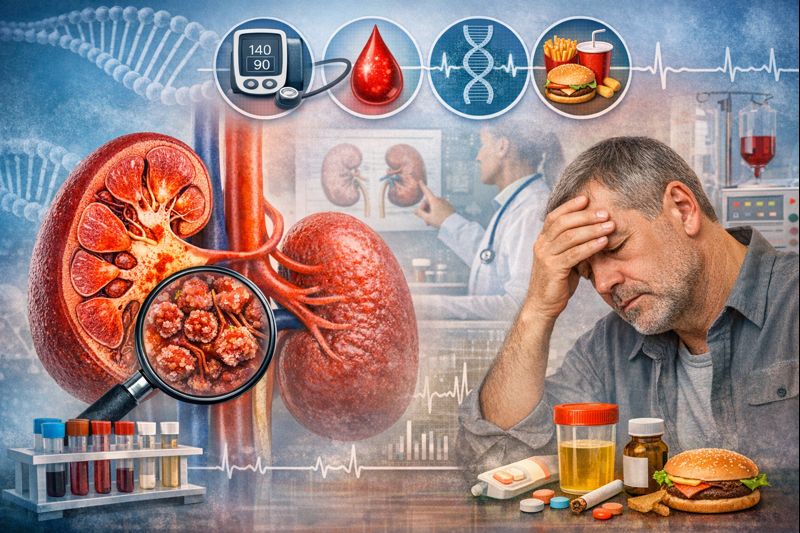
Chronic kidney disease affects more than 37 million American adults, yet no two cases follow exactly the same path. Some people experience slow deterioration over decades, while others see rapid loss of kidney function. This variation is shaped by factors such as blood pressure control, blood sugar levels, medication use, lifestyle choices, and genetic predisposition. The interaction of these elements determines how quickly kidney damage accumulates and how well the body adapts over time.
Early Signs That the Kidneys Are Under Strain
One of the greatest challenges in kidney disease is recognizing it early. In its initial stages, kidney damage rarely causes obvious symptoms. However, subtle changes can signal that the kidneys are struggling.
Persistent tiredness is often one of the first clues. As waste products build up in the bloodstream, the body may feel constantly drained, even after rest. Alterations in urination are another key indicator. This may include needing to urinate more frequently at night, changes in urine color, stronger odor, or foam-like bubbles that suggest protein leakage.
Fluid retention is also common when kidney function declines. Swelling in the ankles, feet, hands, or around the eyes may occur as the body becomes less efficient at removing excess fluids. Digestive symptoms such as nausea, reduced appetite, or an unusual metallic taste can also appear as toxins accumulate in the blood.
The Impact of Daily Lifestyle Choices on Kidney Health
Everyday habits have a powerful influence on kidney performance. Diet plays a central role, especially sodium intake. Consuming large amounts of salt forces the kidneys to work harder to regulate fluid balance and can raise blood pressure, further stressing these organs.
Protein intake is another important factor. While protein is essential for muscle maintenance, very high-protein diets can place additional strain on compromised kidneys due to increased waste production during protein metabolism.
Proper hydration supports kidney efficiency, but balance is essential. Long-term dehydration can lead to concentrated urine and increased workload for the kidneys, while excessive fluid intake may overwhelm kidneys that are already weakened.
Physical activity supports kidney health indirectly by improving circulation and helping regulate blood pressure and blood glucose levels. In contrast, smoking reduces blood flow to kidney tissue and accelerates damage, while excessive alcohol consumption introduces toxins that kidneys must filter, increasing overall strain.
Why Kidney Disease Often Goes Unnoticed
Kidney disease is frequently described as a “silent” condition, and for good reason. The kidneys have a remarkable ability to compensate for damage. Even with a significant reduction in function, they can continue filtering waste well enough to prevent obvious symptoms.
This adaptive capacity allows kidney function to fall below 50% without triggering major warning signs. As symptoms develop gradually, many people adjust to feeling unwell without realizing that their condition is worsening. By the time clear symptoms emerge, kidney function may already be severely reduced.
Adding to the challenge, early kidney disease symptoms often resemble common complaints such as stress, aging, or fatigue, making them easy to overlook or misattribute.
How the Body Reacts as Kidney Function Declines
As kidney efficiency decreases, the body activates several compensatory responses. Remaining healthy kidney tissue works overtime to maintain filtration, which often leads to increased blood pressure. Elevated blood pressure, in turn, causes further kidney damage, creating a harmful feedback loop.
Hormonal functions of the kidneys also become impaired. Reduced production of erythropoietin can lead to anemia, causing weakness and shortness of breath. Disrupted vitamin D activation affects calcium balance and bone strength, while electrolyte imbalances may interfere with heart rhythm and muscle function.
As waste products such as urea and creatinine accumulate, a condition known as uremia develops. This leads to symptoms including nausea, confusion, itching, and a general sense of illness commonly associated with advanced kidney disease.
Common Treatment Approaches and Cost Considerations
| Treatment Method | Care Setting | Estimated Annual Cost |
|---|---|---|
| Hemodialysis | Specialized dialysis centers | $90,000 – $120,000 |
| Peritoneal Dialysis | Home-based with medical supervision | $70,000 – $100,000 |
| Kidney Transplant | Major hospitals and transplant centers | $400,000 – $500,000 (initial) |
| Conservative Management | Nephrology outpatient care | $15,000 – $30,000 |
Cost estimates are based on publicly available data and may vary depending on location, provider, and insurance coverage. Independent verification is recommended.
Taking Control of Kidney Health
Understanding what influences kidney disease progression gives individuals the power to act early. Routine blood and urine testing can reveal declining kidney function long before symptoms appear. Managing underlying conditions such as diabetes and hypertension remains one of the most effective ways to slow disease progression.
Close collaboration with healthcare professionals, combined with informed lifestyle choices, can preserve kidney function for years and reduce the risk of severe complications.
Disclaimer: This article is intended for informational purposes only and does not replace professional medical advice. Always consult a qualified healthcare provider for diagnosis, treatment, and personalized recommendations.