High Blood Pressure Without Symptoms: How to Detect It Early
Search the internet for high blood pressure and you’ll quickly run into long lists of “warning signs.” The problem is that most of those lists create a false sense of security. Hypertension almost never announces itself early on. That’s exactly why it has earned the nickname the silent killer.
For many people, high blood pressure causes no discomfort, no pain, and no obvious signal that anything is wrong—until serious damage has already occurred. Understanding this reality is critical if you want to catch the condition early, when it’s most manageable.
Can You Have High Blood Pressure and Feel Completely Fine?
Yes—and this is the most dangerous part.
High blood pressure typically develops slowly over years. During that time, your arteries and heart are under constant strain, but you don’t feel it happening. Most people discover they have hypertension only during a routine checkup or after a major event such as a heart attack or stroke.
Relying on how you feel is not a reliable way to assess your blood pressure. Measurement is the only way to know where you stand.
How Blood Pressure Changes Over Time
Blood pressure doesn’t usually jump from normal to severe overnight. It progresses through stages, each with increasing risk:
- Normal: below 120/80
- Elevated: systolic 120–129 and diastolic below 80
- Stage 1 hypertension: systolic 130–139 or diastolic 80–89
- Stage 2 hypertension: systolic 140 or higher, or diastolic 90 or higher
Throughout these stages, most people still feel normal. That’s why early detection matters. At the elevated stage, lifestyle changes—such as improving diet, increasing physical activity, reducing sodium, and managing stress—can sometimes prevent progression. Once hypertension becomes established, it is usually a lifelong condition that requires ongoing management.
When Symptoms Do Appear: Hypertensive Crisis
There is one situation where symptoms may suddenly show up: a hypertensive crisis. This occurs when blood pressure rises to dangerously high levels—typically above 180 systolic and/or 120 diastolic.
At this point, symptoms may include:
- Severe headache
- Shortness of breath
- Blurred vision
- Nosebleeds
- Chest or back pain
- Anxiety or confusion
- Difficulty speaking
A hypertensive crisis is a medical emergency and requires immediate care. However, it’s important to understand that these symptoms do not represent early warning signs—they indicate an already critical situation.
The Real Damage Happens Quietly
While you feel fine, high blood pressure is steadily injuring your blood vessels. Over time, the inner walls of arteries become damaged, making it easier for cholesterol to stick and form plaques. This process, known as atherosclerosis, narrows arteries and restricts blood flow.
The long-term consequences can include:
- Heart attacks from reduced blood supply to the heart
- Strokes when arteries supplying the brain are blocked
- Kidney disease due to reduced blood flow to the kidneys
- Peripheral artery disease, affecting circulation in the legs
- Heart failure and rhythm disorders caused by chronic strain on the heart
Symptoms like chest pain, leg pain, swelling, fatigue, or shortness of breath usually appear only after these conditions are well established. At that point, the damage is harder to reverse.
Why Routine Blood Pressure Checks Matter
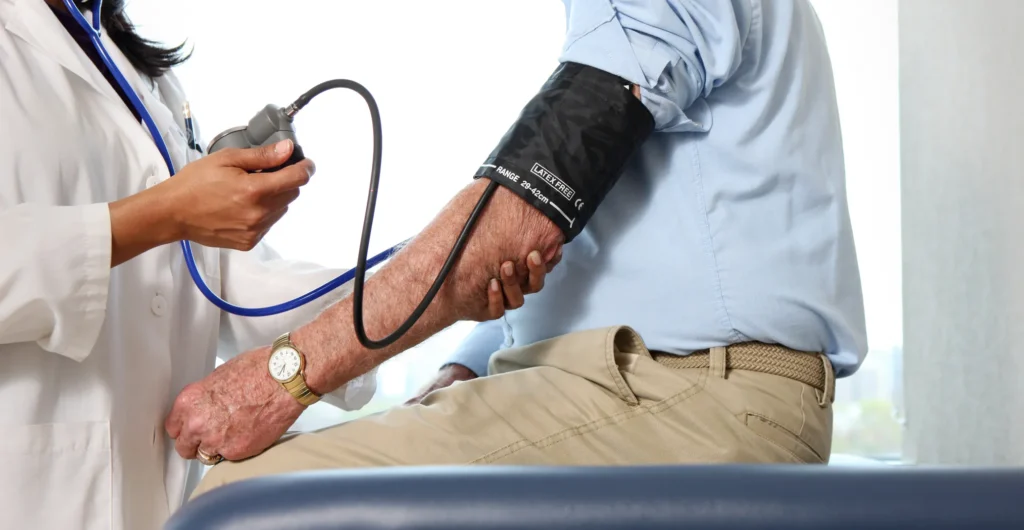
Because high blood pressure rarely causes early symptoms, routine screening is essential. A simple, painless measurement can reveal a problem long before complications develop.
Regular checks are especially important if you:
- Are over 40
- Have a family history of hypertension or heart disease
- Live with diabetes, obesity, or high cholesterol
- Smoke or have a sedentary lifestyle
Home blood pressure monitors can be helpful, but they don’t replace professional evaluations. Consistent readings over time provide the clearest picture.
The Bottom Line
High blood pressure doesn’t wait for you to feel unwell before causing harm. In many cases, the first “symptom” is a medical emergency that could have been prevented with earlier detection.
If you want to protect your heart, brain, and kidneys, don’t wait for warning signs. Make blood pressure checks part of your routine healthcare. Catching hypertension early gives you the best chance to control it—before it controls you.