
Advancing Operations with Process Mining: A Closer Look
Many organizations sense that something inside their operations could work better, but pinpointing exactly where and why problems occur is often difficult. Processes look clean on paper, yet in reality they tend to drift, slow down, or evolve in unexpected ways. This gap between how work is designed and how it actually happens is where process mining becomes especially relevant.
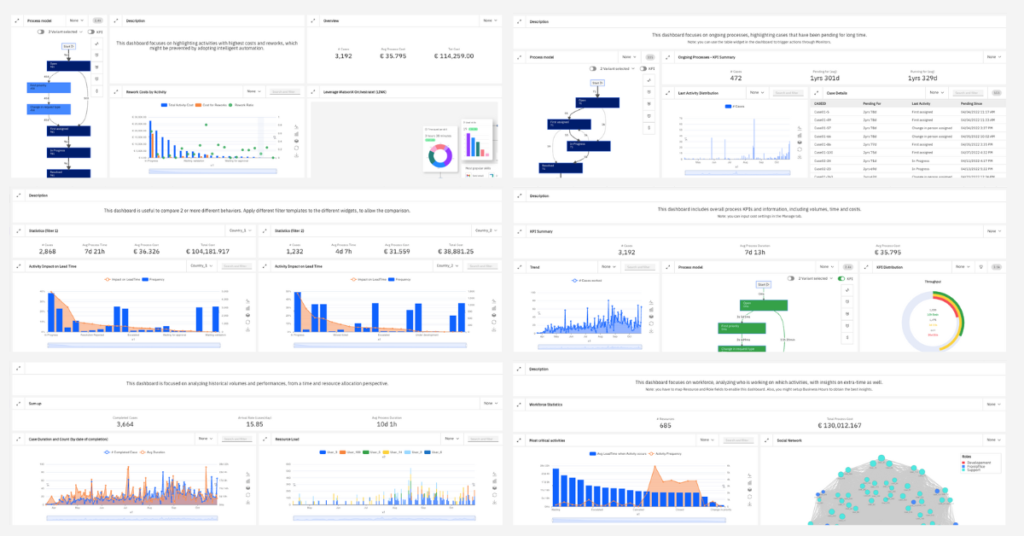
Rather than relying on assumptions or static process maps, process mining uses real system data to show what is truly going on across workflows.
How Process Mining Took Shape
Process mining began to gain attention in the early 2000s, at a time when businesses were generating more digital records than ever before. Every action in an IT system — an order placed, an approval granted, a case closed — leaves behind an event log. Researchers realized these logs could be analyzed to reconstruct real processes step by step.
Over time, the technology matured. Early use cases focused on simple workflows, but modern process mining can handle complex paths, parallel activities, and large volumes of data. What started as an academic concept has gradually become a practical tool used by operational teams, analysts, and executives.
Where Process Mining Fits in Today’s Organizations
Today, process mining is applied across many industries. In manufacturing, it helps teams understand where production delays occur and why certain orders take longer than expected. In healthcare, it can reveal variations in patient pathways that affect wait times or outcomes. Financial services often use it to analyze compliance-related processes and identify deviations from required procedures.
What makes process mining appealing is that it does not rely on interviews or workshops alone. Instead, it works with existing data from ERP, CRM, and other enterprise systems, offering a grounded view of operations as they unfold day by day.
What Organizations Gain from Process Mining
One of the biggest advantages of process mining is visibility. It shows how many different versions of the same process exist, where bottlenecks form, and which steps tend to repeat or cause delays. This clarity allows teams to move beyond anecdotal evidence and focus on patterns supported by data.
Another benefit is objectivity. Because insights are drawn from system records, discussions about improvement often become more constructive. Teams can see where changes might have the biggest impact, rather than debating based on perception alone.
That said, process mining is not a magic solution. Interpreting results requires context, and not every inefficiency can be solved through automation or redesign alone.
Looking Ahead: How the Technology Is Evolving
As artificial intelligence and machine learning continue to develop, process mining is expanding beyond analysis into prediction. Some tools can now estimate how long cases will take to complete or flag risks before delays happen.
This shift toward predictive insights makes process mining more proactive, but it also increases complexity. Organizations must think carefully about data governance, privacy, and how insights are communicated to teams who actually run the processes.
Practical Considerations Before Getting Started
Organizations that benefit most from process mining usually start with a clear focus. Rather than analyzing everything at once, they select a specific process tied to cost, time, or customer experience.
Data quality is another critical factor. Incomplete or inconsistent event logs can lead to misleading conclusions. Investing time in understanding data sources often pays off later.
Finally, adoption matters. When stakeholders are involved early and understand the purpose of the analysis, insights are more likely to translate into meaningful change.
A Realistic Perspective on Process Mining
Process mining is best viewed as an ongoing capability rather than a one-time initiative. Processes continue to evolve, and so should the way they are monitored and improved.
For organizations navigating increasing operational complexity, process mining offers a structured way to replace guesswork with evidence. When combined with domain knowledge and thoughtful change management, it can become a valuable part of long-term operational strategy.
This article is for informational purposes only and does not constitute business or technical advice.