Bridging Skills Gaps in Industrial Manufacturing: Training That Supports a Changing Industry
Industrial manufacturing is undergoing steady transformation as automation, digital tools, and new production methods become part of everyday operations. Alongside these changes, many companies face a growing challenge: finding and developing workers with the right mix of technical knowledge and practical experience. Addressing skills gaps through structured training has become an essential part of maintaining productivity and long-term stability.
What Industrial Manufacturing Training Includes
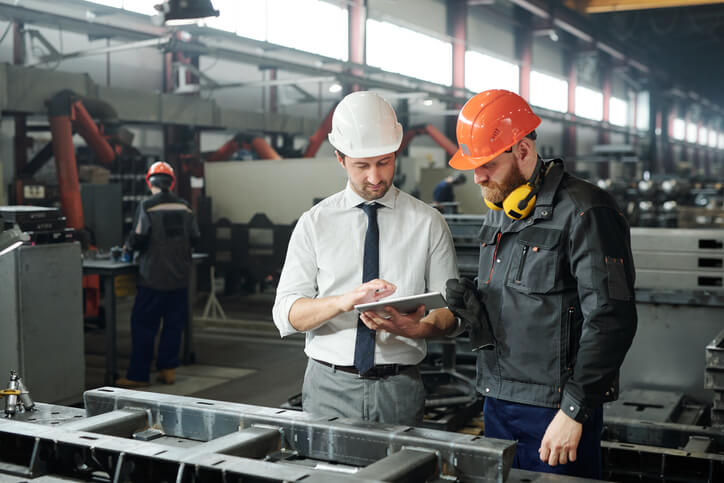
Manufacturing training refers to organized learning programs designed to build technical, operational, and safety-related skills within production environments. These programs can range from introductory courses for new workers to advanced technical training for experienced staff.
Entry-level employees often focus on equipment basics, safety procedures, and quality standards. More experienced workers may develop skills related to automation systems, precision machining, or maintenance planning. Supervisors and team leaders may participate in programs that emphasize coordination, workflow optimization, and decision-making.
Training opportunities are available through various channels, including vocational schools, community colleges, industry partnerships, and in-house corporate programs. The structure and depth of training often depend on company size, production complexity, and workforce experience.
Where Skills Gaps Commonly Appear
Many manufacturers report shortages in both technical and transferable skills. Automation and digitalization have increased demand for workers who understand robotics, programmable systems, and data-driven production tools. At the same time, foundational abilities such as reading technical drawings, performing measurements, and diagnosing equipment issues remain critical.
Knowledge transfer is another challenge. As experienced workers retire, practical know-how accumulated over decades can be lost if it is not systematically passed on. In addition, modern production environments often require stronger communication, adaptability, and collaboration, especially when teams work across multiple technologies and processes.
Digital literacy has become increasingly important as machines, sensors, and software systems generate more operational data. Understanding how to interpret and respond to this information is now part of many manufacturing roles.
How Training Programs Are Typically Structured
Effective training programs usually combine theory with hands-on experience. Classroom instruction introduces concepts, standards, and safety requirements, while practical sessions allow workers to apply knowledge under supervision.
Apprenticeship-style models are commonly used, pairing less experienced workers with seasoned employees over time. Simulation tools and virtual training environments are also used to practice procedures without interrupting production or risking equipment damage.
Many programs are modular, allowing workers to build skills gradually and earn credentials that reflect specific competencies. Assessments may include written tests, observed tasks, or performance evaluations conducted on the production floor.
Making Training More Effective
Training outcomes depend not only on content but also on how programs are implemented. Identifying skill gaps in advance helps ensure training aligns with real operational needs. Allowing time for practice and reinforcement improves retention and confidence.
Tracking progress helps managers understand where additional support is needed. Feedback from participants can also improve program design and relevance. When training is linked to clear career paths, workers are more likely to stay engaged and see long-term value in skill development.
Regular refresher sessions help maintain consistency, particularly for safety procedures and less frequently used skills.
Why Companies Invest in Workforce Development
Training becomes especially important when new equipment is introduced or processes change. Preparing workers in advance reduces downtime and minimizes errors. Periods of lower production demand often provide opportunities for focused training without disrupting output.
Organizations also invest in training to reduce reliance on external hiring for specialized roles. Developing skills internally can be more sustainable and helps retain employees who value growth opportunities. Over time, structured training supports quality control, safety compliance, and operational efficiency.
Adapting to Ongoing Industry Change
Manufacturing continues to evolve, and workforce development has become an ongoing process rather than a one-time effort. Companies that maintain flexible training frameworks are better positioned to adapt to new technologies and shifting market demands.
By systematically addressing skills gaps and supporting continuous learning, manufacturers build teams capable of navigating change while maintaining reliable production standards.
This article is for informational purposes only and does not constitute professional or educational advice.