
Dental Implants in the United States: A Smarter Tooth Replacement Choice in 2026
Dental implants have moved well beyond being a “specialist-only” solution. By 2026, they’ve become a familiar and widely accepted option across the United States for people who want teeth that look natural, feel stable, and support long-term oral health. Advances in digital planning, materials, and surgical techniques have made implant treatment more predictable and, in many cases, easier for patients to navigate.
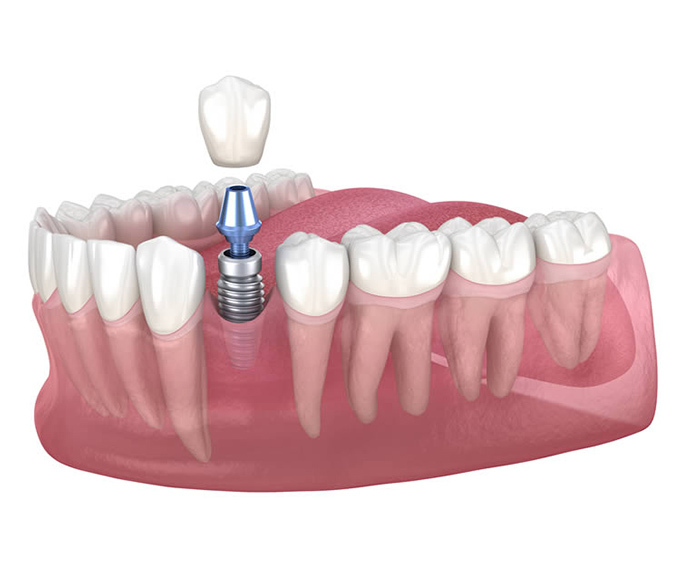
What once required lengthy timelines and uncertainty is now often delivered through carefully mapped, technology-driven workflows. Still, implants are not a one-size-fits-all solution. Understanding how they work today, how they compare with alternatives, and what real-world costs look like helps set realistic expectations before committing.
Why Dental Implants Continue to Gain Popularity
For many Americans, the appeal of dental implants comes down to how closely they replicate natural teeth. Unlike removable dentures, implants are anchored in the jawbone through osseointegration, a biological process that allows bone to fuse with the implant surface. This connection helps preserve bone volume and facial structure over time.
Another key advantage is conservation. Traditional bridges require reshaping neighboring teeth for support, while implants stand on their own. With consistent oral hygiene and routine professional care, implants often last decades, making them a long-term solution rather than a temporary fix.
Recent observational studies in U.S. dental practices suggest patient satisfaction rates with implants remain consistently high, particularly for chewing comfort and confidence in daily social situations.
What Implant Treatment Looks Like in 2026
While every case is different, modern implant care often follows a streamlined, highly planned pathway:
- Digital impressions and CBCT scans provide three-dimensional views of bone, nerves, and sinuses
- Virtual surgical planning allows clinicians to place implants with millimeter-level precision
- Guided surgery improves accuracy and may reduce chair time and post-operative discomfort
Titanium remains the most widely used implant material, though zirconia implants are gaining interest for patients seeking metal-free options. CAD/CAM technology allows crowns to be designed with precise bite alignment and natural aesthetics.
Healing timelines vary. Straightforward cases may move from placement to final crown in a few months, while more complex treatments involving bone grafts or sinus lifts can take longer. Follow-up care focuses on gum health, bite balance, and long-term maintenance habits.
Clinical research published over the past decade shows that digitally planned implant placement is associated with fewer positional complications compared to freehand techniques, particularly in complex anatomical cases.
Common Reasons People Choose Implants
People consider dental implants for a range of practical reasons, including:
- Replacing a single missing tooth without affecting adjacent teeth
- Restoring multiple teeth with a fixed solution
- Stabilizing loose or uncomfortable dentures
- Addressing tooth loss caused by decay, fracture, or periodontal disease
Beyond appearance, many patients report improved chewing efficiency and reduced irritation compared with removable appliances. Candidacy depends on overall health, bone quality, smoking habits, and personal priorities.
Implants Compared With Other Tooth Replacement Options
Choosing between implants, bridges, and dentures often involves trade-offs rather than clear winners.
- Compared with bridges: Implants avoid reshaping healthy teeth and help maintain bone at the site of tooth loss. Bridges may be faster initially and make sense when neighboring teeth already require crowns.
- Compared with dentures: Implants usually offer superior stability and chewing function. Dentures tend to be more affordable upfront and may suit patients with limited bone or medical constraints.
Each option carries different maintenance needs. Implants require diligent hygiene to reduce the risk of peri-implant disease, while bridges and dentures involve their own cleaning routines and replacement timelines.
How to Choose an Implant Provider in the U.S.
Selecting the right provider is as important as choosing the implant itself. Many general dentists place implants, while periodontists and oral surgeons often manage advanced or high-risk cases.
When evaluating providers, look for:
- Use of CBCT imaging and documented treatment planning
- Clear explanations of risks, alternatives, and expected timelines
- Coordination with experienced dental laboratories
- Transparent, itemized cost estimates rather than vague package pricing
Access to follow-up care in your area and a clear maintenance plan are just as important as the surgical phase.
Real-World Cost Considerations
Implant pricing varies widely depending on complexity, materials, and location. The figures below reflect broad national ranges rather than exact quotes.
| Product / Service | Provider | Typical Cost Range |
|---|---|---|
| Single implant with crown | Aspen Dental | $3,500–$6,000 per tooth |
| Full-arch fixed implants | ClearChoice | $20,000–$35,000 per arch |
| Implant-retained overdenture | Affordable Dentures & Implants | $8,000–$16,000 per arch |
| Traditional 3-unit bridge | Aspen Dental | $3,000–$5,000 |
| Complete removable denture | Affordable Dentures & Implants | $1,500–$4,000 per arch |
Prices may change over time and vary by region. Independent research and personalized consultations are essential before making financial decisions.
A Practical Takeaway for 2026
Dental implants in 2026 offer a level of stability, function, and predictability that was difficult to achieve in earlier decades. Digital diagnostics and refined materials have reduced uncertainty, but outcomes still depend on proper planning, skilled execution, and long-term care.
Comparing implants with bridges or dentures means weighing comfort, aesthetics, timeline, and total cost over years—not just upfront pricing. With clear expectations and the right provider, implants can be a durable, confidence-restoring option aligned with both health goals and budget realities.
This article is for informational purposes only and should not be considered medical advice. Please consult a qualified healthcare professional for personalized guidance and treatment.