
Early Signs of Heart Failure Doctors Say Shouldn’t Be Ignored
Heart failure doesn’t usually begin with a dramatic emergency. More often, it starts quietly — with small changes that are easy to brush off as aging, stress, or being “out of shape.” That’s what makes it dangerous. By the time symptoms feel serious, the heart may already be under significant strain.
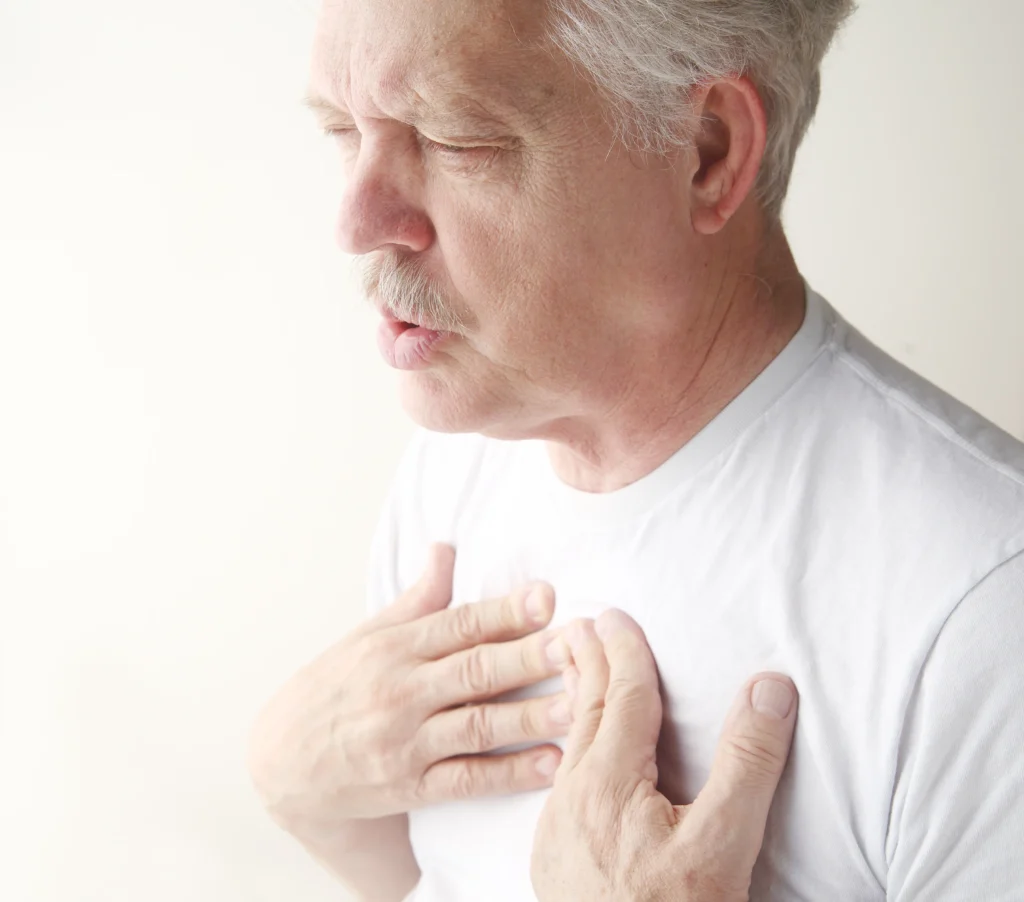
Doctors emphasize that early recognition matters. While heart failure is a chronic condition, timely treatment can slow progression, reduce complications, and significantly improve quality of life.
What Heart Failure Actually Means
Heart failure doesn’t mean the heart has stopped working. It means the heart muscle can no longer pump blood efficiently enough to meet the body’s needs. When that happens, blood and fluid begin to back up — often into the lungs, legs, or abdomen.
Some hearts become too weak to pump effectively. Others become too stiff to fill properly between beats. Both situations reduce circulation and oxygen delivery throughout the body.
According to data from the American Heart Association, heart failure affects millions of adults worldwide and remains one of the leading causes of hospitalization among people over 65.
Early Warning Signs Doctors Pay Close Attention To
1. Shortness of breath that feels new
Breathlessness during everyday activities — walking, climbing stairs, or even lying flat — is one of the earliest red flags. Fluid buildup in the lungs makes breathing feel labored, especially at night.
If you notice you need extra pillows to sleep comfortably or wake up feeling air-hungry, it’s worth getting checked.
2. Ongoing fatigue and weakness
Feeling unusually tired, even after rest, can signal reduced blood flow to muscles and organs. Many people describe it as a deep, persistent exhaustion rather than normal tiredness.
3. Swelling in the legs, ankles, or feet
Fluid retention often shows up as swelling in the lower body. Shoes may feel tighter, socks leave deep marks, or ankles appear puffy by evening.
4. Rapid or irregular heartbeat
A heart that’s struggling may try to compensate by beating faster or irregularly. Palpitations, fluttering, or a racing heart — especially when paired with shortness of breath — shouldn’t be ignored.
5. Unexplained weight gain
Sudden weight gain over a few days can reflect fluid buildup rather than fat. Doctors often advise heart failure patients to monitor weight daily for this reason.
Subtle Symptoms People Often Miss
Some signs are less obvious but still important:
- Persistent cough or wheezing, especially at night
- Reduced appetite or nausea
- Abdominal bloating from fluid accumulation
- Trouble concentrating or feeling mentally “foggy”
Research published in cardiology journals suggests that cognitive changes can appear early in heart failure due to reduced cerebral blood flow — something many patients and families don’t initially associate with the heart.
When Symptoms Become an Emergency
Seek immediate medical care if you or someone else experiences:
- Chest pain
- Fainting or sudden severe weakness
- Rapid or irregular heartbeat with shortness of breath
- Sudden, severe breathing difficulty with pink or white frothy mucus
These symptoms may indicate acute heart failure or a related cardiac emergency and require urgent evaluation.
What Causes Heart Failure to Develop
Heart failure is usually the end result of other conditions that damage or overwork the heart over time, including:
- Coronary artery disease and heart attacks
- Long-standing high blood pressure
- Heart valve disorders
- Irregular heart rhythms
- Viral infections affecting the heart muscle
- Diabetes, obesity, and sleep apnea
Large population studies show that uncontrolled hypertension remains one of the strongest predictors of developing heart failure, even in people without prior heart attacks.
Types of Heart Failure (In Plain Language)
Heart failure is often described by which side of the heart is affected and how well it pumps:
- Left-sided heart failure: fluid backs up into the lungs, causing breathlessness
- Right-sided heart failure: fluid accumulates in legs, feet, and abdomen
- Reduced ejection fraction (HFrEF): the heart can’t squeeze forcefully
- Preserved ejection fraction (HFpEF): the heart can’t relax and fill properly
Understanding the type helps guide treatment, but early symptoms often overlap.
Can Heart Failure Be Prevented?
While not all cases are preventable, many risk factors are manageable. Doctors consistently recommend:
- Treating high blood pressure and diabetes early
- Staying physically active at an appropriate level
- Limiting salt and highly processed foods
- Maintaining a healthy weight
- Avoiding smoking and excess alcohol
- Managing chronic stress
Even modest lifestyle changes have been shown in clinical studies to reduce hospitalizations and slow disease progression in people at risk.
The Bottom Line
Heart failure rarely starts suddenly. It develops gradually, sending warning signs long before a crisis occurs. Paying attention to changes in breathing, energy, swelling, and heart rhythm can make a meaningful difference.
If something feels off — especially if symptoms are new or worsening — getting medical advice sooner rather than later can protect both your heart and your future quality of life.
Early awareness isn’t about fear. It’s about giving yourself more options.
This article is for informational purposes only and does not replace professional medical advice.