
Preventing Tardive Dyskinesia in Seniors: What’s Important to Know
As the use of antipsychotic medications remains common among older adults, concerns around long-term neurological side effects continue to grow. One of the most discussed conditions in this context is tardive dyskinesia (TD) — a movement disorder associated with prolonged exposure to certain psychiatric medications. For seniors, prevention and early awareness are especially important due to age-related sensitivity to medications.
Why Seniors Are More Vulnerable to Tardive Dyskinesia
Age itself is considered a significant risk factor for developing TD. Changes in brain chemistry, slower drug metabolism, and altered dopamine regulation may increase susceptibility in people over 65. Many seniors also manage multiple health conditions simultaneously, leading to long-term or combined medication use, which can further elevate risk.
Studies suggest that a noticeable percentage of elderly patients receiving antipsychotic therapy experience some form of involuntary movement over time. These movements may initially be subtle and easily overlooked, especially in individuals with cognitive impairment.
How Tardive Dyskinesia May Appear
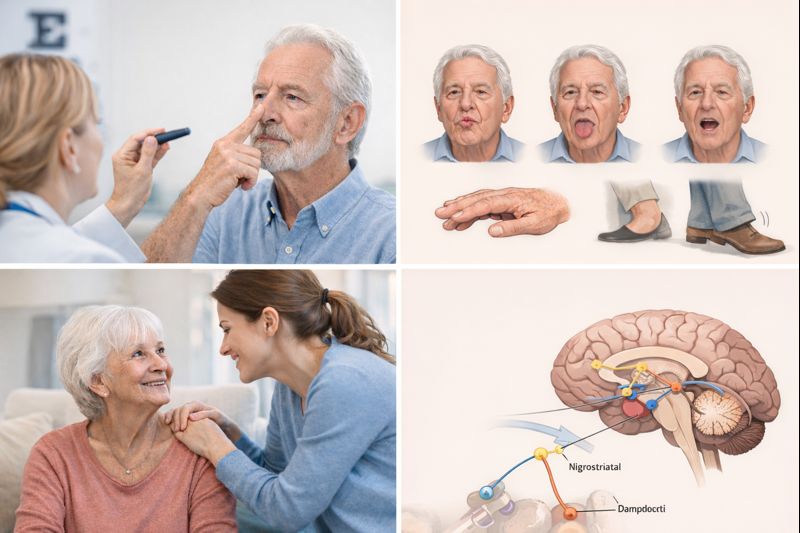
TD often develops gradually. Early signs may include repetitive movements of the lips, tongue, jaw, or facial muscles. In some cases, involuntary movements can extend to the hands, arms, or legs. Because these changes may be mild at first, they are sometimes mistaken for normal aging or other neurological conditions.
Awareness of early symptoms plays an important role in timely evaluation and ongoing care planning.
Antipsychotic Medications and Risk Differences
Not all antipsychotic medications carry the same level of TD risk. Older, first-generation antipsychotics have historically been associated with higher rates of movement disorders. Newer, second-generation medications are generally linked to lower risk, but they do not eliminate the possibility entirely — particularly with long-term use.
In older adults, even lower doses may achieve therapeutic effects, which is why careful dosing and regular review are commonly emphasized in clinical discussions around senior care.
Prevention Approaches Often Discussed
Preventive strategies usually focus on minimizing exposure while maintaining symptom control. This may include using the lowest effective dose, limiting treatment duration when possible, and regularly reassessing the need for ongoing medication.
Non-drug approaches are often explored alongside medication use, particularly for behavioral symptoms related to dementia. Structured routines, environmental adjustments, and caregiver support may help reduce reliance on pharmacological treatments in some cases.
Certain nutritional supplements, such as antioxidants, have been explored in research settings, though evidence remains mixed and discussions around their use typically emphasize medical supervision.
Monitoring and Early Detection
Routine monitoring is widely considered an essential part of prevention. Standardized assessment tools allow healthcare providers to identify early movement changes before symptoms become more pronounced.
Caregivers and family members often play a key role, as they may notice subtle changes during daily interactions. Documenting symptoms over time can help support clinical discussions and decision-making.
Treatment Developments When Symptoms Progress
When TD symptoms become noticeable, treatment strategies may be adjusted. This can include medication changes or careful dose modifications. In recent years, medications known as VMAT-2 inhibitors have been developed specifically to manage TD symptoms.
These therapies are designed to target underlying movement regulation pathways and have shown measurable symptom reduction in many patients. As with all treatments, ongoing monitoring is important, particularly in older populations.
| Management Option | Focus Area | Approximate Cost Range |
|---|---|---|
| VMAT-2 inhibitors | Symptom management | $5,500–$8,000 annually |
| Medication adjustment | Risk reduction | Varies |
| Nutritional support | Adjunct discussion | $50–$200 annually |
| Regular movement screening | Early detection | Included in care |
Cost estimates are approximate and may vary by location and coverage.
A Broader Perspective on Prevention
Preventing tardive dyskinesia in seniors often involves collaboration between healthcare providers, patients, and caregivers. Regular communication and periodic reassessment help balance symptom management with long-term neurological health.
As awareness and research continue to expand, approaches to prevention and monitoring are likely to evolve further. Understanding potential risks allows individuals and families to engage more actively in care discussions.
This article is for informational purposes only and does not constitute medical advice. Always consult qualified healthcare professionals regarding treatment decisions.