Smart Locks: A Smarter Way UK Homes Are Securing Their Doors
Across the UK, more homeowners are quietly moving away from traditional keys and towards smart locks. These digital locking systems are becoming a common feature in modern homes, offering a different approach to everyday security. Rather than focusing on dramatic upgrades, smart locks appeal through small but practical improvements in convenience, control, and visibility over who enters the home.
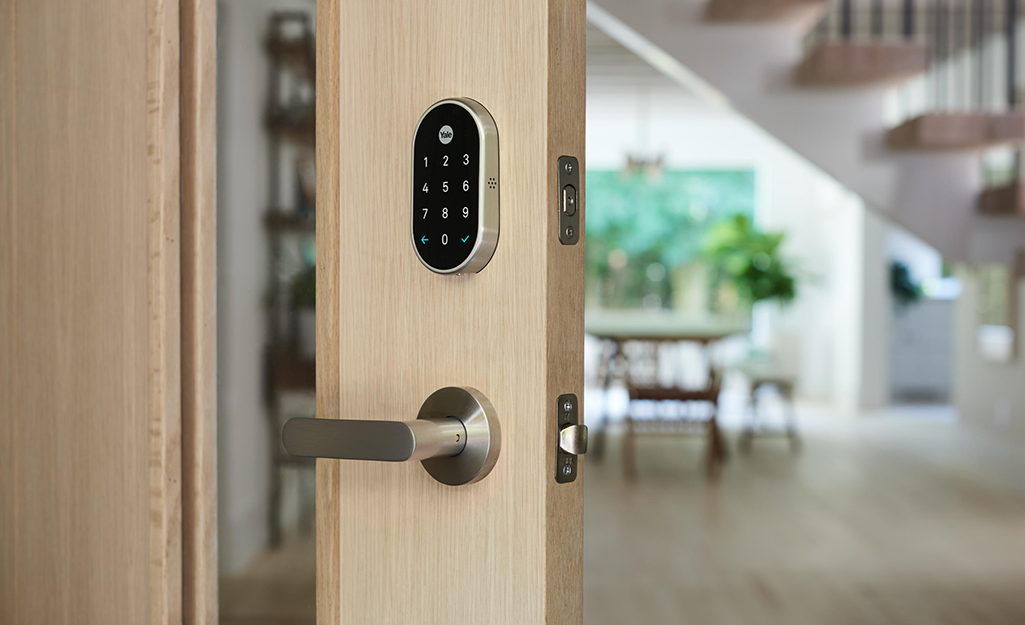
As daily routines become more connected to smartphones and home automation, smart locks fit naturally into how people already manage their lives.
Why Smart Locks Are Gaining Attention in the UK
Many UK households face familiar issues with traditional locks. Keys get lost, copied, or forgotten, and managing access for family members, guests, or tradespeople can be inconvenient. Smart locks address these everyday problems by allowing doors to be locked and unlocked digitally, often through a mobile app or keypad.
For people living in shared homes, rental properties, or busy family households, the ability to manage access without handing over physical keys is increasingly appealing. Urban living also plays a role, as flats and terraced houses often benefit from remote access features and activity monitoring.
How Smart Locks Work in Everyday Use
Smart locks replace or work alongside existing door locks, using electronic mechanisms controlled by authorised users. Access can be granted in several ways, including smartphone apps, PIN codes, fingerprint readers, or voice assistants when paired with compatible smart home systems.
Most UK-compatible smart locks use Bluetooth for nearby access and Wi-Fi for remote control. This allows homeowners to check door status, lock up after leaving, or let someone in even when they are not at home. Secure encryption protects communication between the lock and connected devices, while battery power ensures continued operation without relying on mains electricity.
Integration with Modern UK Homes
One reason smart locks are becoming more common is their compatibility with wider smart home systems. Many models work with popular platforms such as Alexa, Google Assistant, and Apple HomeKit. This allows locks to be included in daily routines, such as securing doors automatically at night or when leaving the house.
Integration with doorbells and security cameras adds another layer of awareness. Homeowners can receive notifications when the door is unlocked, view footage of arrivals, or trigger lighting when someone enters. This connected approach supports both convenience and awareness without changing how the home looks from the outside.
Practical Considerations Before Choosing a Smart Lock
Not every smart lock suits every UK property. Door type, thickness, and existing hardware all affect compatibility. Older doors in period properties may require careful measurement before installation. Connectivity is another factor, as Wi-Fi-enabled models offer more features but may use batteries faster than Bluetooth-only versions.
Security features vary, so many buyers look for automatic locking, activity logs, and backup access options. Mechanical key overrides remain important for peace of mind, particularly during battery depletion or technical issues. Ease of installation also matters, as some homeowners prefer straightforward DIY fitting while others opt for professional setup.
Convenience Without Losing Control
The main appeal of smart locks lies in their everyday practicality. Doors can be checked and secured remotely, access can be granted temporarily, and activity can be monitored without constant attention. For short-term guests, cleaners, or delivery access, time-limited codes reduce the need for spare keys.
At the same time, smart locks are designed to maintain security standards. Features such as tamper alerts, auto-lock timers, and low-battery warnings help ensure doors remain protected. Rather than replacing traditional security, smart locks build on it by adding visibility and flexibility.
A Quiet Shift in Home Security
Smart locks are not about turning homes into high-tech showcases. Instead, they reflect a gradual shift toward practical digital tools that make everyday tasks simpler. For many UK residents, the appeal is not novelty but control—knowing who has access, when doors are locked, and being able to manage security from anywhere.
As awareness grows and technology becomes more familiar, smart locks are increasingly seen as a natural evolution of home security rather than a radical change.