
Telemedicine: How Remote Healthcare Is Reshaping Modern Medicine
Telemedicine has quietly moved from a niche solution to a routine part of healthcare delivery. At its core, telemedicine means receiving clinical care remotely through real-time audio and video communication between a patient and a healthcare professional. What once felt experimental is now a practical option for millions of people seeking timely medical advice without leaving home.
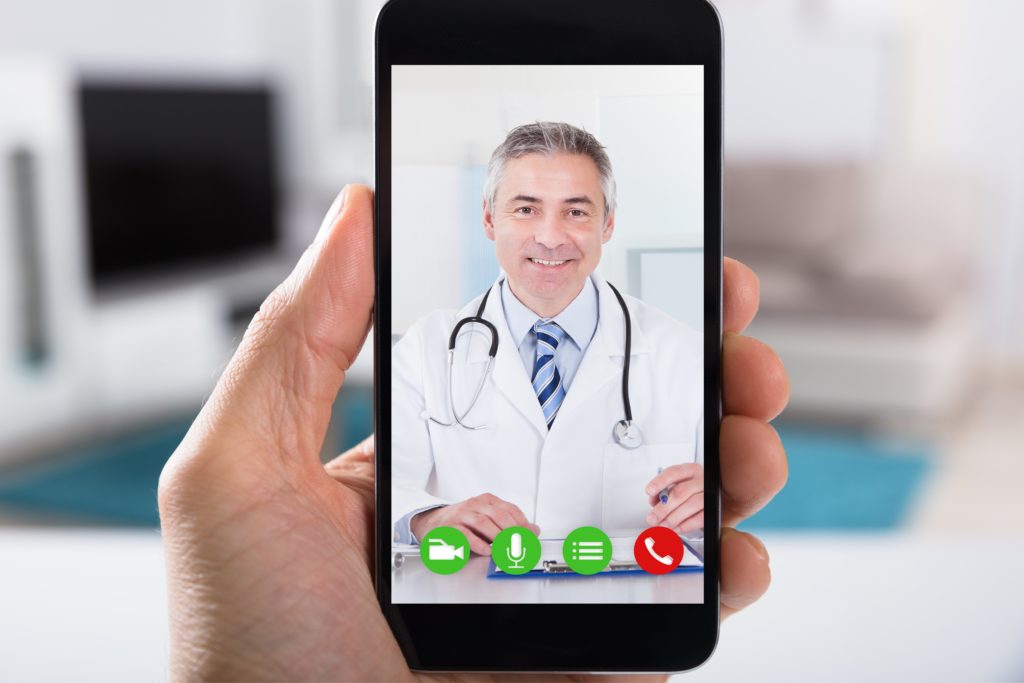
Rather than replacing in-person care, telemedicine works alongside traditional visits. It fills the gaps where physical examinations aren’t essential, offering a faster, more flexible way to address everyday health concerns.
Why Telemedicine Has Become So Popular
In primary care, telemedicine often takes the form of phone or video consultations. Patients use it to discuss non-emergency symptoms, medication questions, or follow-up care that doesn’t require a hands-on exam.
The biggest advantage is convenience. Appointments can be scheduled without travel, waiting rooms, or time off work. For healthcare providers, it allows better triage, improved scheduling, and more efficient use of clinical time. For patients, it reduces costs, stress, and delays.
Telemedicine also plays an important role outside regular office hours, helping clinicians assess which situations truly require urgent, in-person attention.
A Powerful Tool for Chronic Condition Management
One area where telemedicine has shown particular value is long-term disease management. Patients living with conditions such as diabetes, high blood pressure, or elevated cholesterol often don’t need physical exams at every visit.
Through telemedicine, clinicians can:
- Review lab results
- Adjust medication dosages
- Discuss lifestyle changes
- Renew prescriptions
- Provide ongoing education and support
Remote appointments are frequently scheduled after laboratory testing or home monitoring, making follow-up more efficient and focused.
Telemedicine Isn’t New — Technology Made It Accessible
Doctors have considered patients’ symptoms remotely for decades. What changed is technology. High-speed internet, secure platforms, and affordable devices have made video and audio consultations widely available.
Early telemedicine relied on specialized videoconferencing systems with attached diagnostic tools like digital stethoscopes or ECG monitors. These systems were expensive and limited to large institutions.
Today, most telemedicine visits require little more than:
- A computer, tablet, or smartphone
- A webcam and microphone
- A secure, encrypted patient portal
This accessibility has expanded telemedicine to clinics, private practices, and even patients’ homes.
Key Telemedicine Terms Explained Simply
Telemedicine typically operates using a hub-and-spoke model:
- The hub is where the healthcare professional is located.
- The spoke is where the patient receives care, often at home.
In some cases, a telepresenter may assist the patient by helping with equipment or basic measurements.
Telemedicine also includes:
- Store-and-forward services, where images or data are uploaded for later review
- Remote patient monitoring, using devices that track vitals such as blood pressure or glucose levels over time
Even when interactions aren’t live, these tools still support diagnosis and treatment decisions.
Benefits That Matter to Patients and Providers
Telemedicine systems are relatively low-cost to implement and rely on secure digital records to protect patient privacy. Clinicians must be licensed in the state where the patient receives care, ensuring accountability and quality standards.
Supporters of telemedicine highlight several consistent advantages:
- Shorter wait times
- Better access for rural or mobility-limited patients
- Reduced healthcare costs
- Easier access to second opinions
- More accurate prescribing through digital records
Research comparing telemedicine to traditional care has shown strong benefits in specific areas, including teledermatology, telemental health, teleradiology, home telecare, and telecardiology.
One large review published in recent years found that remote monitoring combined with telemedicine follow-ups significantly improved outcomes for patients with chronic cardiovascular conditions, particularly when care was consistent and structured.
Where Telemedicine Still Has Limits
Despite its strengths, telemedicine isn’t suitable for every situation. Physical examinations, emergency care, and complex diagnostic procedures still require in-person visits. Researchers also note that while evidence is promising, more long-term studies are needed to fully evaluate cost-effectiveness across all specialties.
The Takeaway
Telemedicine is no longer a temporary solution or a backup plan. It’s a practical extension of modern healthcare that prioritizes access, efficiency, and continuity of care. When used appropriately, it improves patient experiences without compromising clinical standards.
As technology continues to evolve, telemedicine is likely to become even more integrated into everyday healthcare — not as a replacement for face-to-face medicine, but as a smarter way to deliver the right care at the right time.