
Why Mobile Stairlifts Are Quietly Changing Home Accessibility in the UK
Across the UK, more households are rethinking how they handle mobility challenges at home. Instead of permanent renovations or fixed stairlift installations, many people are turning their attention to mobile stairlifts. These portable devices are quietly becoming a practical solution, especially in older properties, rental homes, and multi-level houses where flexibility matters.
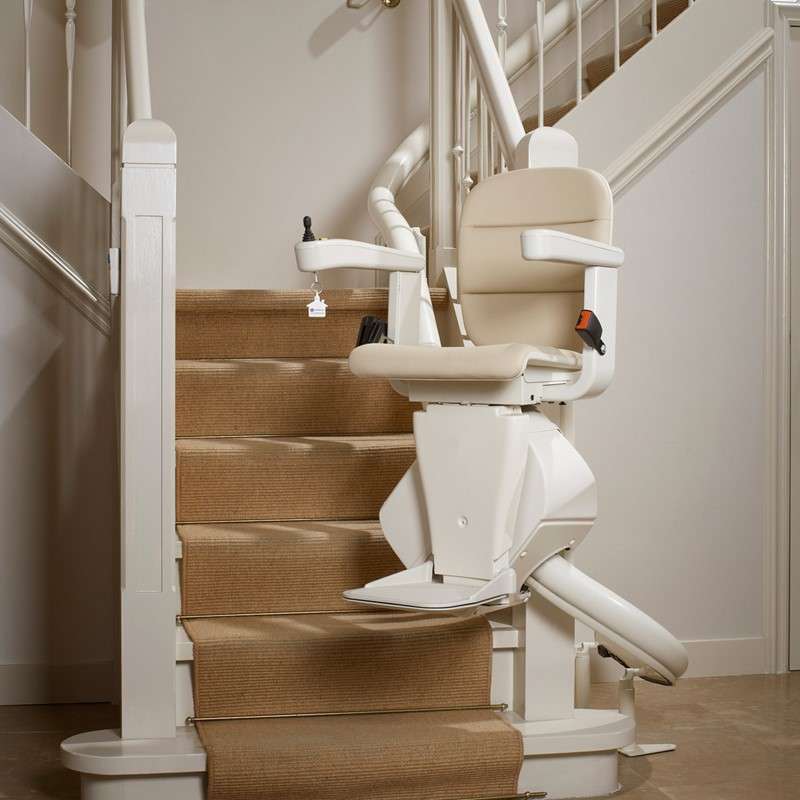
As awareness of accessibility grows and more people aim to remain independent in their own homes, mobile stairlifts are emerging as an option that adapts to real living conditions rather than forcing structural changes.
Why UK Homes Present Unique Accessibility Challenges
British housing stock includes a large number of older buildings with narrow staircases, steep steps, and layouts that were never designed with mobility aids in mind. Victorian terraces, period homes, and converted flats often make permanent stairlift installation complicated or undesirable.
In many cases, homeowners are reluctant to alter walls, railings, or staircases permanently. Renters face similar issues, as landlords may not allow fixed modifications. Mobile stairlifts offer an alternative that works within these limitations, allowing residents to move between floors without altering the property.
What Makes Mobile Stairlifts Different from Fixed Models
Unlike traditional stairlifts that require rails fixed to the staircase, mobile stairlifts are self-contained units. They can be positioned on different staircases, stored when not in use, or moved to another home if needed.
This flexibility is particularly useful for people whose mobility needs may change over time. Some users only require assistance temporarily after surgery or injury, while others prefer a solution they can adapt as circumstances evolve. Mobile stairlifts also reduce installation time and avoid the disruption associated with permanent fitting.
Who in the UK Is Choosing Mobile Stairlifts
Several groups are increasingly considering mobile stairlifts. Older adults who wish to remain in their homes rather than move to assisted living often see them as a way to maintain independence. Families supporting relatives with reduced mobility may choose portable options to accommodate shared living arrangements.
Renters benefit from solutions that can move with them, while homeowners appreciate avoiding changes that could affect resale value. In multi-generational households, a mobile stairlift can serve one family member without permanently altering the home for everyone else.
Practical Considerations for UK Residents
When exploring mobile stairlifts, several practical factors come into play. Staircase width, turning space at landings, and overall weight capacity all influence suitability. Battery-powered models require regular charging, making ease of access to power outlets important.
UK weather conditions also matter for homes with external steps or unheated stairwells, as temperature can affect battery performance. Many residents look for models with reliable braking systems, simple controls, and clear safety features that suit everyday use rather than specialist environments.
Cost Differences Compared to Traditional Stairlifts
Cost is another reason mobile stairlifts are gaining attention in the UK. Portable models generally involve lower upfront expenses compared to fixed installations, which often require professional fitting and custom rails.
While prices vary depending on features and build quality, mobile stairlifts typically offer a more accessible entry point. Some households choose to rent mobile units, particularly when mobility limitations are temporary. This approach allows users to assess long-term needs without committing to permanent solutions.
Why Awareness Is Growing in 2026
Several trends are driving interest in mobile stairlifts across the UK. An ageing population, increased focus on ageing in place, and greater discussion around accessibility have all played a role. Advances in design have made modern mobile stairlifts more compact, safer, and easier to operate than earlier versions.
Public discussion around inclusive living and practical home adaptations has also reduced stigma around mobility aids. Instead of being viewed as last-resort solutions, devices like mobile stairlifts are increasingly seen as tools that support independence and everyday comfort.
A Quiet Shift Toward Flexible Accessibility
Mobile stairlifts may not attract the same attention as large home renovations, but their impact is meaningful. By offering flexibility, lower disruption, and adaptability to real UK housing conditions, they provide an option that aligns with how people actually live.
For many households, the appeal lies not in technology alone, but in the ability to stay at home, move freely between floors, and adjust solutions as needs change over time.